
Reducing Scope 3 emissions: A practical framework for action
by Henry Partridge, James Balik-Meacher, Miguel Oyarbide
View post
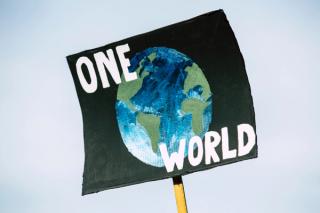
Climate change and its impacts are very real, and it is up to us to do our part to decarbonise our lifestyles, business practices and demands. For several years, our global society has been seeking to decarbonise our day-to-day activities with the hard and fast temperature threshold of 1.5°C firmly fixed in our minds. And yet, some of our recent decarbonisation actions have not been brought about by climate change, but by geopolitical concerns around energy security. However, the climate change emergency hasn’t just gone away, and we need to do more to arrest the acceleration of greenhouse gas emissions within the limited window of opportunity that remains.
There are a number of actions which can be undertaken to assist in the climate fight, including:
To some extent or another, these are all key actions that we have been taking as a global community, though some societies are less able to implement climate mitigation measures such as these.
However, despite some of these actions being taken, we are seeing increasing temperatures, impacts on crop production and water supply, and an increase in wildfires. But these aren’t the only changes that are currently happening. Others include:
The World Meteorological Organisation noted in research published this month that the world is almost certain to experience new record temperatures in the next five years with temperatures likely to rise by more than 1.5°C above preindustrial levels intermittently, but with increasing frequency as time progresses. Eventually the frequency will be so great that we will have reached the tipping point of no return.
Make no mistake, the climate emergency isn’t around the corner – it is now and we should be taking this very seriously. We can still make every effort to arrest this acceleration if we all act now.
At SLR we would be interested to hear about the challenges you face in energy security and discuss how you can reduce your climate impact. Connect with our Energy Transition and Climate Resilience teams who are supporting clients to set 1.5 degree aligned targets as well as identify and implement carbon mitigation and adaptation measures.
by Henry Partridge, James Balik-Meacher, Miguel Oyarbide

by Valeria Alvarado Tejeda, Selina Roman-White
by Michael Fenny, Mark Ashby, Claire Willey