ESG Insights: A new reality in the North American Arctic
- Post Date
- 19 May 2022
- Read Time
- 3 minutes
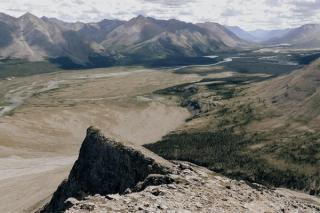
Two things happened in northern North America recently that, while in themselves relate to resource development in the arctic regions, bring into view the need for companies to focus sharply on ESG, wherever in the world they are operating.
1. The sale of oil drilling leases in the Alaskan Arctic National Wildlife Refuge (ANWR) did not yield the predicted returns
Bids generated just US$14.4M versus the 2019 Congressional Budget Office prediction of approximately US$1B for the first lease sale. Of the 22 tracts offered, 12 were bid on and the Alaska Industrial Development and Export Authority was the sole bidder on eight of those. This lack of enthusiasm was not surprising, as US president-elect Biden has pledged to permanently protect the ANWR, which includes the calving grounds for the Porcupine caribou herd.
Last month, Scotiabank pledged to withhold financing for oil and gas extraction in ANWR, becoming the last of the Big Five Canadian banks to withhold funding for Arctic Refuge Drilling. Five major US banks, including Goldman Sachs, Wells Fargo and J.P. Morgan Chase, have made the same pledge.
The Vuntut Gwitchin First Nation and the Gwich'in Tribal Council have been the loudest voices in the fight to protect the ANWR and has been joined by several other conservation groups and societies. It seems that although the outgoing US Federal Government has pushed the development of oil and gas in the ANWR, investors, business and financiers are more skeptical about the benefits of development.
2. Yukon Na-Cho Nyak Dun First Nation and Yukon Government rejected an application for a 65 km road into the Beaver River Watershed.
The road was granted conditional approval by the Yukon Environmental and Socio-economic Assessment Board (YESAB) in 2016. This approval was contingent on actions by the proponent including development of a land use plan for the Beaver River which adequately addressed adverse impacts on wildlife and traditional ways of life before final approval. It has been reported that the application submitted for an exploration permit did not include a land use plan. The Yukon Government denied the permit as a result of the impact on cultural values and on Aboriginal and treaty rights.
These events should not be taken to mean that resource development is unwelcome in Canada’s North. To the contrary, the support for industry development is exceptional, if it is done in an environmentally, socially and economically sustainable way.
Across Canada’s North there are examples of supportive Governments and First Nations Partnerships in regions where the risk to the environment and cultural heritage are responsibly managed and investment opportunities are welcomed. The Resource Gateway Project in the Yukon Territory, for example, will see $467M invested by the Federal and Territorial Governments towards upgrades to 650 km of road in the Dawson Range and Nahanni Range.
Exploration and development can proceed, but it is vital that thoughtful consideration of ESG is given at all levels to ensure the impact of development is shared with local communities.
Written by Ric Horobin (Principal Hydrogeologist) and Chelsea Hamilton (Mining Engineer)