Former Tokanui Hospital Demolition and Remediation
- Client Name
- Toitū Te Whenua Land Information New Zealand (LINZ)
- Location
- Te Awamutu, New Zealand
Challenge
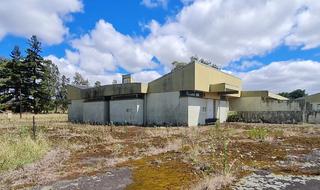
The former Tokanui Psychiatric Hospital is an 80-hectare site comprising 84 buildings and substantial supporting infrastructure. As part of the Maniapoto Settlement Claims Act 2022, the Crown committed to undertaking large-scale demolition and remediation of the site before offering it to the Ngāti Maniapoto Post Settlement Governance Entity, Te Nehenehenui Trust, for purchase.
LINZ, the government agency responsible for delivering the project, faced a complex programme of works requiring the necessary planning approvals and permits to enable demolition and remediation to proceed. The project also required careful engagement with iwi, ahi kā and stakeholders, alongside ongoing compliance support throughout delivery.
Beyond the physical remediation of the site, the project sought to deliver wider environmental and community benefits, including minimising demolition waste and emissions, building capability within the local workforce and supporting the local economy.
Solution
During the project planning and design phase, SLR prepared a consenting strategy and provided planning advice to guide the project design. As part of our engagement support, we attended multiple hui to support relationship building between LINZ, iwi/hapū and ahi kaa.
Separately, SLR surveyed the 84 structures for asbestos-containing materials and lead-based paint to enable pre-demolition hazardous building materials removal. Rostering multiple onsite teams simultaneously, SLR was able to complete the onsite surveying and associated reporting works across two months, ahead of an already compressed timetable.
Once project design was confirmed, we established that multiple district and regional consents were required for the remediation and the landfill upgrade. SLR was able to provide additional technical services required to support the applications (ecology, hydrogeology, and acoustic). We worked with the wider project team including contaminated land, engineering, landfill, heritage, archaeology and traffic experts, leading the preparation of a cohesive and comprehensive consent application package.
The applications were limited notified on cultural grounds. SLR represented LINZ at the hearing as its planning expert and negoti-ated amendments to the application to assist in mitigating remaining cultural concerns. Despite the complexity of the project, the technical reporting was generally unchallenged, and other effects of the project were largely agreed to be appropriate and acceptable.
Impact
All consents were granted by the Independent Panel in 2025 with little variation to the comprehensive sets of conditions recommended by SLR. No appeals were received, and the project moved into the delivery phase in 2026.
Our compliance team has implemented a robust monitoring programme, identifying improvements and supporting awareness of environmental requirements within the delivery team. We also continue to provide planning advice.
The project delivery team has so far achieved some notable outcomes in diverting waste from landfill, upskilling students, and supporting the local economy.
Once the remediation is complete, offering the site for purchase will be hugely meaningful for iwi.