
SBTi Corporate Net-Zero Standard Version 2.0
by Jovontae Catline , Caroline Dolan, Joe Sarvary, Liz Whinnett
View post

When a commercial vehicle (HGV or light van) takes to the road two assets are deployed; the vehicle itself and the trained professional driver. Optimising the performance of these assets in tandem is key to achieving the most efficient fleet operations and least environmental impact.
We know that commercial vehicle usage accounts for a disproportionate amount of carbon emissions relative to other transport modes and this is currently an adverse trend in some transport sectors. But even after zero tail-pipe emissions have been achieved, there will still be an ongoing need to optimise transport operations to avoid undue traffic congestion and minimise the output of other pollutants such as tyre and brake lining residues, as specified in the upcoming Euro 7 standards.
Hence, journey planning and telematics systems will continue to be needed well into the foreseeable future. Indeed, as fleets go all-electric, a systems-based approach to managing the recharging cycle will become essential functionality in the logistics planning and execution processes.
Aiming to perform at one’s optimum best, every single day, should be the goal of every transport manager. Advanced fleet planning and telematics systems are the operational tools that will enable that to happen.
Fleet planning sets the template for the next cycle of transport operations. This system, preloaded with customer demand and the delivery service level variables (including location details, time limitations, and specific customer requirements), could involve reference to hundreds of data points putting it beyond what is reasonable to expect from a manual process. Using a systems-based approach will all but eliminate the potential for human error when dealing with multiple data sets and therefore minimises the likelihood of disappointed end users. When using an advanced modelling programme, configured to maximise the available cargo space, the system will, on paper, create the optimum asset deployment plan. This is often a delicate balancing act between freight demand, servicing limitations, and drivers time and distance constraints but the plan is just that, the starting point for what needs to be achieved to be at your best, every single day.
But of course, in the real-world things do not always go according to plan and that is when telematics comes into its own. The telematics system is all about real-time asset utilisation data capture and is therefore an Internet of Things (IoT) type application. Converting the performance data into useable, operational information designed to facilitate dynamic replanning will mean that plan execution can get as close as possible to the optimal outcome, as first predicted in the fleet planning system. Repeating the plan-do-review cycle, potentially assisted by AI algorithms, will result in the most efficient daily use of the deployed assets and critically, most consistently over time.
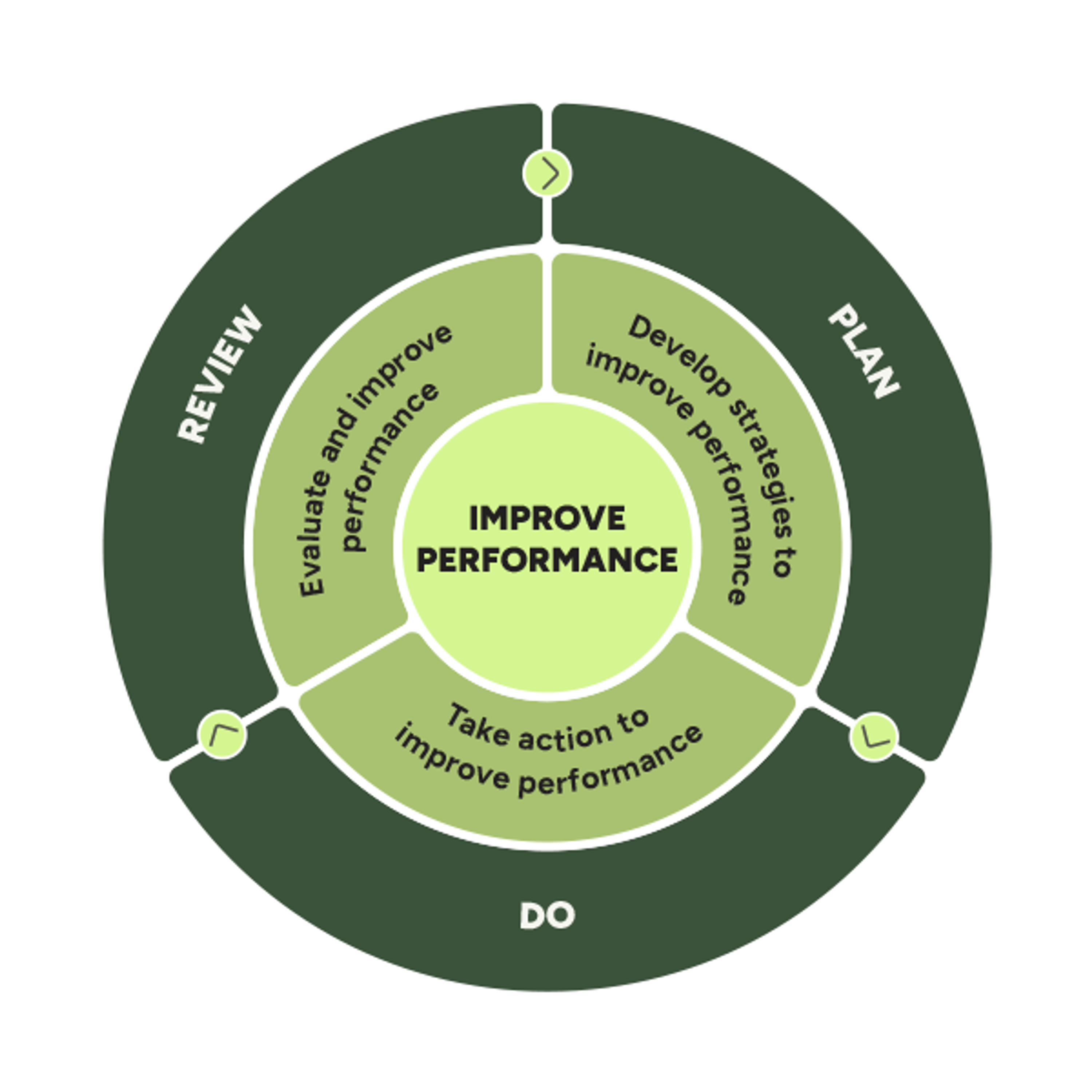
Now we can clearly see how the two systems work in tandem. The planning system tells you where you should be at any given time and telematics, in the execution phase, shows you where you should be relative to the plan. It is within this very precise gap analysis that opportunities to dynamically replan can be identified and exploited. Otherwise, the overall system can be managed using geofencing configurable alerts, such as arrived at destination or by exception.
Every journey starts with a plan. What route planning and telematics does is provide the opportunity to optimise that plan at network level. This elevated overview of operations is what makes the difference. It provides a ‘big’ picture view of the service demand and the route planning options that can satisfy that demand most efficiently. That means distance travelled can be minimised at fleet level by applying trade-off routing options through multi-drop, drop-trailer or multi-site hub and spoke consolidation and last mile solutions. Maximising backhauling opportunities is another essential option in the drive for operational efficiency, or reduced distance travelled. All these techniques result in a much more complex planning requirement but when supported by the real-time telematics system, and using exception management, that additional complexity becomes an acceptable trade-off and service levels should not suffer.
In an ideal world we would see logistics operators collaborating in supply chain sharing schemes, such that operators are open to cross-collaboration schemes for mutual benefit. This is an idea that has been around for a long time but barring isolated examples has never taken off. The real-time fleet visibility provided by telematics, with AI enhanced ability to readily ‘market’ sharing opportunities, should be the catalyst for overcoming any continuing reticence.
Even small gains in operational utilisation when aggregated at network level can result in a significant reduction in distance travelled. The priority factors are using fewer vehicles to move the same volume (optimisation of cargo space), and vehicle usage optimisation through defensive driving techniques, i.e. less speed and less harsh braking to reduce carbon emissions and non tail-pipe pollutants as required by the upcoming Euro 7 standard.
Are these systems for all fleets? Yes, big, or small, the issues (and benefits) are available to all fleet operators, it is just a question of scaling the solutions to fit the needs of the business.
Note: when the UK version of Euro 7 arrives later in 2026 it will be the first time that the Euro system has embodied the control of non tail-pipe emissions. The principal effect will be to set limiting standards for tyre and brake lining residues disbursed into the environment.
Contact our team for more information on our transport and logistics services.
Get in touch
by Jovontae Catline , Caroline Dolan, Joe Sarvary, Liz Whinnett

by James Balik-Meacher, Sophia Davison, Miguel Oyarbide

by Selina Roman-White, Valeria Alvarado Tejeda, Madison Edson, James Van Horne, Craig Bock, Matthew Mitchell