Why nature belongs in your ASRS climate disclosures
- Post Date
- 18 August 2025
- Read Time
- 4 minutes
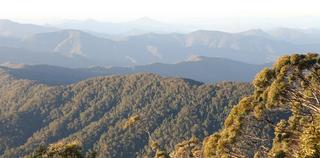
Nature loss and damage to ecosystems are increasingly becoming material risks to businesses, accelerated by a changing climate. Often considered in isolation, we are now at the turning point for enacting solutions to solve both nature and climate crises, or at risk of solving neither.
Beyond Climate Reporting: Why Nature Matters
While companies are focused on meeting new climate disclosure requirements of the Australian Sustainability Reporting Standards (ASRS), forward-looking organisations are recognising the importance of considering nature risks alongside climate risks, as expectations from investors and stakeholders grow.
The introduction of ASRS marks a significant shift in the way that organisations integrate climate change considerations into their business strategy. Developed in alignment with the International Financial Reporting Standards (IFRS), ASRS introduces mandatory climate-related disclosure requirements for Group 1 entities from FY2025. This means thousands of large Australian companies must begin disclosing climate-related governance, strategy, risks and opportunities, and metrics and targets this year.
Climate risks, however, do not exist in isolation. Land degradation, water scarcity, biodiversity loss, and pollution can all amplify climate risks, directly impacting business operations, supply chains, reputation, and financial performance. Likewise, the effects of climate change, such as rising temperatures, more frequent extreme weather events, and changing rainfall patterns, accelerate nature loss, weakening the ecosystems businesses rely on. For companies already investing in robust ASRS reporting, incorporating nature is not only a logical step, but a strategic one.
Building resilience
Aligning with TNFD allows organisations to build internal capability, collect relevant data, and engage stakeholders on nature-related issues. This integrated approach offers improved efficiency, reducing process duplication, and provides a more complete picture of risk and opportunities.
While the ASRS requires companies to assess their exposure to climate risks through climate scenario analysis, TNFD allows the integration of nature-related impacts and dependencies, enabling more resilient decision making. For example, a high-warming scenario might project reductions in annual rainfall over time, which can be a serious issue for water-dependent industries. By applying a local lens to nature impacts and dependencies, organisations can gain deeper insight into ecosystem health, water availability, and other environmental challenges that could directly affect operations and supply chains.
Global momentum for nature reporting
IFRS (the global body that influenced the ASRS framework) is actively exploring how it might incorporate the TNFD recommendations into its global sustainability disclosure standards.
Just as the Taskforce for Climate-related Financial Disclosures (TCFD) became the foundation for mandatory climate reporting, the TNFD could soon underpin mandatory nature-related reporting. If adopted, this would mean companies already aligned with the ASRS frameworks are well-positioned to respond to future nature disclosure expectations.
Early action for mitigating risk
Nature loss is accelerating and reporting expectations are evolving. Acting now will help to future-proof your organisation. Companies that take early steps to understand and manage their nature-related risks can protect financial performance and operational continuity. For example, protecting forests and wetlands around assets can reduce flood and storm damage, while maintaining soil health and pollinator populations can safeguard crop yields and prevent revenue loss. Whether you’re just starting your ASRS journey or undertaking your first TNFD-aligned assessment, we provide end-to-end guidance, from materiality assessments and capacity building to disclosure roadmaps and scenario analysis, ensuring your risks are identified and managed effectively.
Join our upcoming webinar
Join us on Wednesday, 20 August at 3:00pm AEDT for a panel discussion exploring how climate and nature intersect and what this means for Australian businesses. Hear about lessons from reporting practices in Europe and insights from experts on how to effectively integrate climate considerations into your nature-related disclosures.
Register nowRecent posts
-
-

Data centre backup power may be temporary, but its air quality impacts aren’t
by Ben Turner
View post -