
SBTi Corporate Net-Zero Standard Version 2.0
by Jovontae Catline , Caroline Dolan, Joe Sarvary, Liz Whinnett
View post
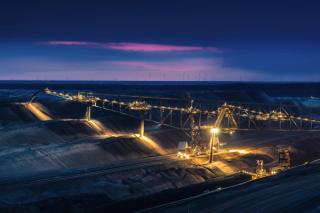
Mining companies are facing a double pressure in the global energy transition. Global demand for critical minerals is accelerating as the world transitions to cleaner energy, yet lower ore grades and deeper mines are impacting energy use and intensity. At the same time, the industry faces mounting pressure from investors, regulators, and communities to reduce its environmental impact. Against this backdrop, electrifying haulage fleets is emerging as one of the most significant opportunities to transform operations.
Haul trucks are the largest consumers of diesel and the biggest source of direct emissions in mining. Replacing diesel with electricity offers a compelling business case. Electric drivetrains are more efficient and cheaper to maintain, and when powered by grid or renewable energy, they shield operators from fuel price volatility. Studies show that energy costs can be cut dramatically, while productivity gains come from technologies such as trolley assist, which enables faster uphill speeds and regenerative braking on descents. These improvements reduce cycle times and mechanical stress, creating a more reliable and efficient fleet.
Beyond economics, electrification is a strategic lever for decarbonisation. Lower emissions strengthen investor confidence, open doors to premium pricing for low-carbon minerals, and reduce exposure to carbon taxes. For mining companies, sustainability is no longer a compliance exercise but a competitive advantage.
The technology landscape is evolving rapidly. Battery-electric trucks, fast-charging systems, battery swapping, and even hydrogen fuel cells are being tested across major operations. Original equipment manufacturers such as Caterpillar, Komatsu, Liebherr, and Hitachi are investing heavily in electrified haulage solutions, with pilot projects underway at leading sites operated by BHP, Rio Tinto, and Anglo American. These innovations promise a future where zero-emission haulage becomes the norm.
However, the transition is not without challenges. Electrification requires significant upfront investment in trucks, charging infrastructure, and power systems. Mines must also ensure energy resilience, as electric fleets depend on continuous power availability. This means planning for dual power feeds, storage systems, and microgrids to maintain reliability. Integrating new technologies into mine design is equally critical. Haul profiles, infrastructure placement, and mixed-fleet operations must align with life-of-mine strategies to avoid costly disruptions.
Despite these complexities, the direction of travel is clear. Electrification is more than a technological upgrade; it is a strategic transformation that touches every aspect of mine planning and operations. Companies that act now will position themselves for lower costs, higher productivity, and a credible pathway to net-zero.
To get a deeper dive into the energy transition in mining, our latest report goes into more detail on:
by Jovontae Catline , Caroline Dolan, Joe Sarvary, Liz Whinnett

by James Balik-Meacher, Sophia Davison, Miguel Oyarbide

by Selina Roman-White, Valeria Alvarado Tejeda, Madison Edson, James Van Horne, Craig Bock, Matthew Mitchell