
Acid Sulphate Soils
- Client Name
- Confidential
- Location
- New Zealand
Challenge
Sulphuric acid forms when pyritic sediments are exposed to oxygen, leading to several harmful effects, including:
- Lowering the pH of groundwater and surface water, resulting in heavy metals leaching into the water at toxic levels.
- Reducing water quality, impacting both aquatic and terrestrial ecosystems.
- Potentially damaging construction materials like concrete, corroding steel, and harming underground utilities in residential, commercial, and industrial areas.
Solution
We have the knowledge and expertise to investigate potential risks and quantify the actual risks posed by ASS, employing best-practice management and assessment in accordance with ASS industry guidelines and procedures from both New Zealand and Australian authorities.
SLR can provide:
- Desktop assessment of risk mapping to ascertain low, moderate, and high probability of acid sulphate soil occurrence using the Waikato Probability Map tool.
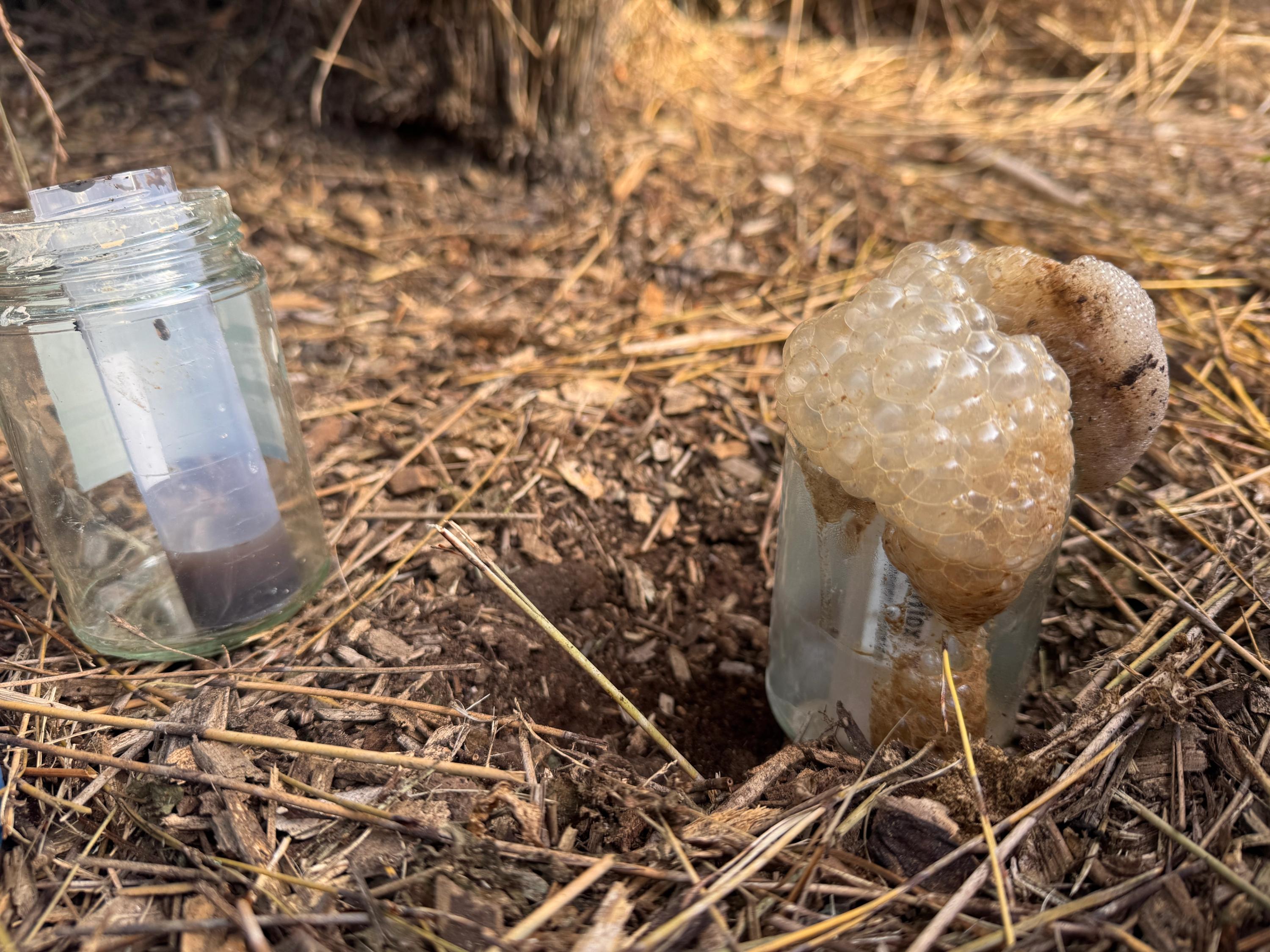
- Intrusively investigate soils with field pH and pHFOX testing kits to assess low, medium, high, or extreme reactions on site.
- Conduct appropriate sample handling and facilitate the transport of field samples to the laboratory for analysis.
- Interpret field and laboratory results, using sulphide hazard class determination, and comparing to WQA 2018 action criteria.
- Reporting of results and recommendations for further management.
- Preparation of Acid Sulphate Soil Management Plans (ASSMP) for construction projects to document appropriate procedures to handle, manage, and treat acid sulphate soils subject to disturbance.
- Preparation of site-specific Acid Sulphate Soil Management Flow Charts for contractor use on site.
Impact
SLR has the expertise and capability to investigate and manage ASS. Our reports have received positive feedback for their detailed assessments and effective management of ASS, particularly given its emerging status.