
Industrial heat: The next frontier in decarbonisation?
- Post Date
- 29 October 2026
- Read Time
- 5 minutes
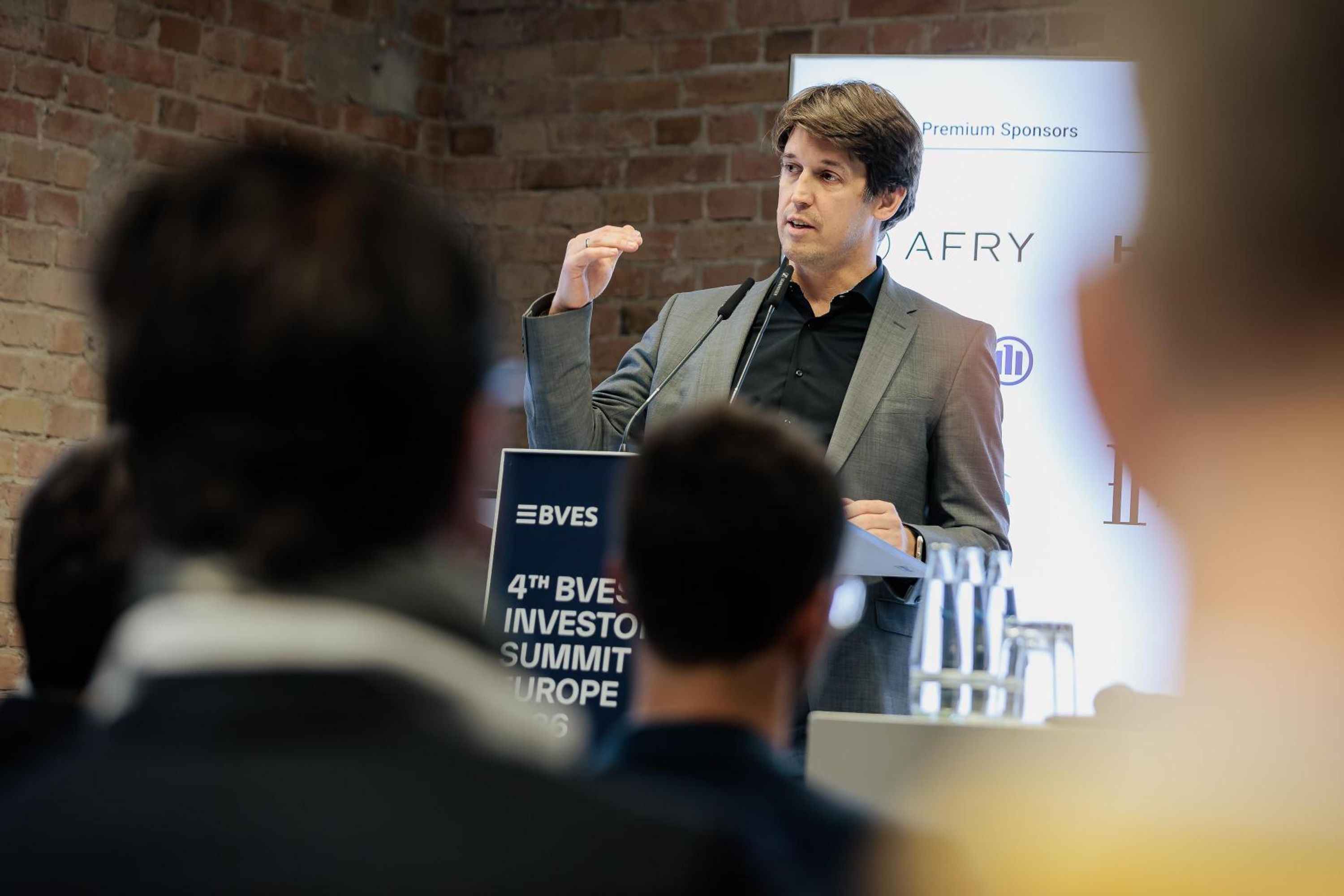
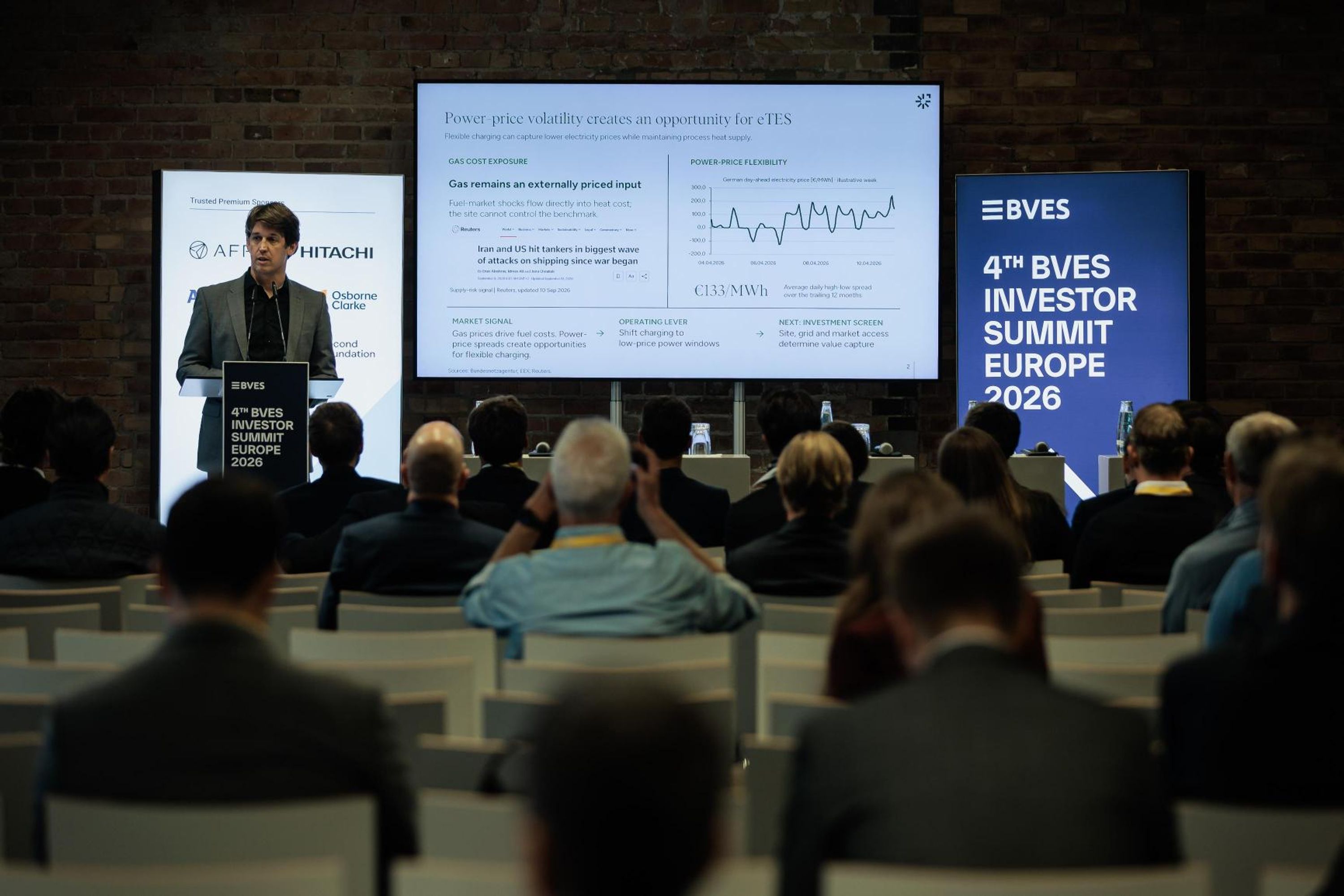
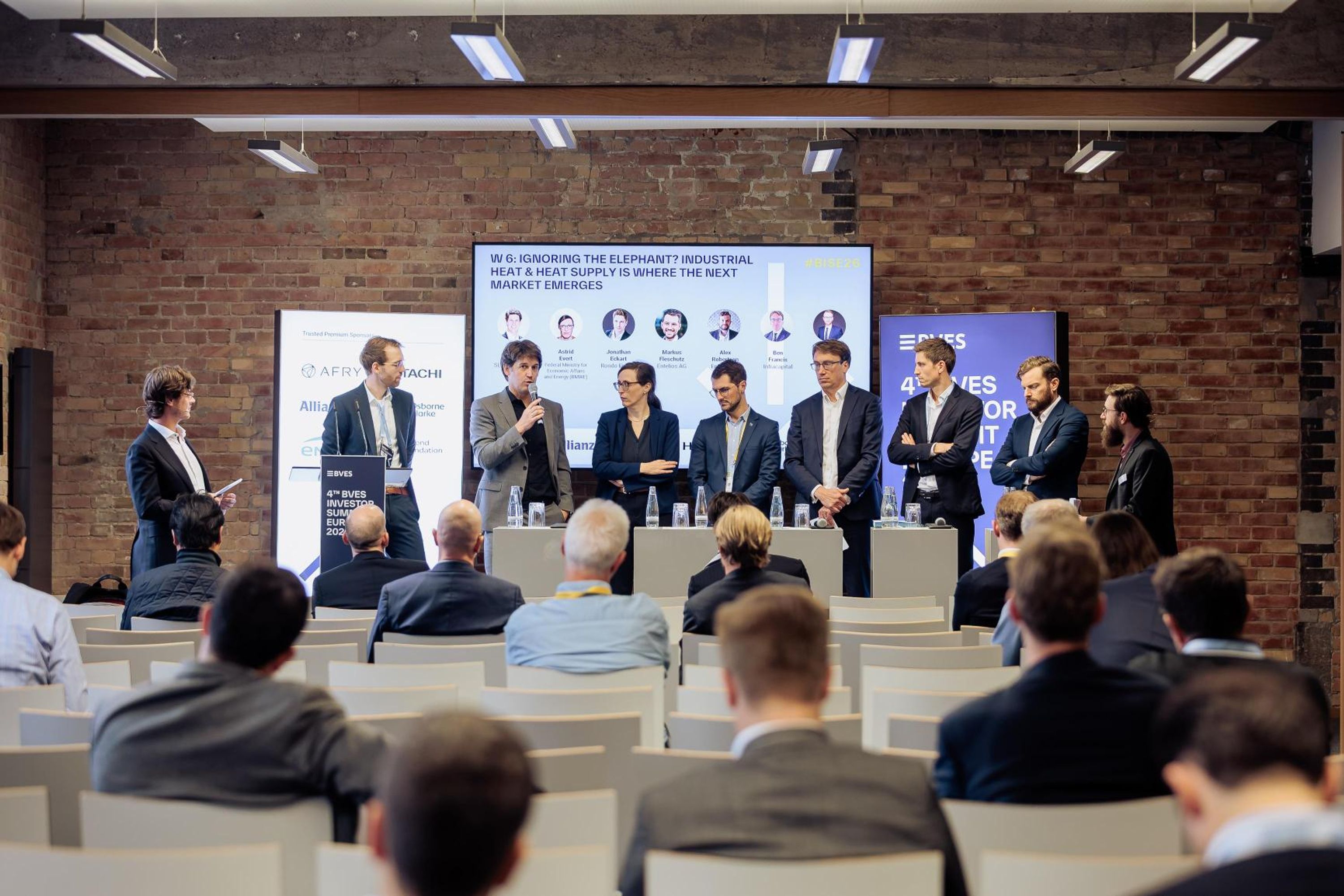
At the recent 4th BVES Investor Summit Europe 2026 conference, Tobias Küter from SLR’s Energy Advisory team presented as part of the workshop ‘Ignoring the elephant? Industrial heat & heat supply is where the next market emerges’. Below is a summary of the key points Tobias presented, with input from Onur Durmus in SLR’s Sustainability & Due Diligence team.
Photo credits: William Veder - Instagram, Facebook, X: @williamveder, LinkedIn www.linkedin.com/in/williamveder
For many industrial businesses, process heat remains one of the largest and most difficult sources of direct emissions. While significant progress has been made in renewable power procurement, the focus is increasingly shifting towards Scope 1 emissions – those generated directly by industrial operations.
Recent updates to corporate decarbonisation frameworks have strengthened this trend by placing greater emphasis on direct emissions reductions rather than allowing organisations to rely solely on clean electricity procurement to meet climate goals. As a result, industries such as chemicals, pharmaceuticals, food and beverage, consumer goods, steel, and mining are being pushed to examine how heat is generated and where electrification can play a role. This transition creates a substantial opportunity for technologies that can deliver reliable, low-carbon industrial heat while maintaining operational flexibility and competitiveness.
Why flexibility matters
Unlike natural gas, electricity prices fluctuate significantly throughout the day. While this volatility is often viewed as a market challenge, it can also create value. One example of this is through using electrified heat systems combined with electric thermal energy storage (eTES) to charge and store thermal energy when electricity prices are low and discharge this when heat is required. Rather than purchasing energy continuously at prevailing rates, operators can actively optimise energy consumption around market conditions while ensuring uninterrupted heat supply. This system allows facilities to respond to changing market conditions and potentially reduce energy costs through intelligent dispatch strategies, in comparison to sites using gas, where prices remain largely outside the control of industrial consumers and are exposed to supply shocks and commodity market volatility.
A major infrastructure investment opportunity
Investors have a crucial role to play in enabling industrial decarbonisation at scale. This is because electrified heat solutions and thermal storage systems generally require higher upfront capital expenditure than conventional gas-fired systems. Even under simplified electrification scenarios, investment requirements for heat generation equipment and storage systems could reach tens of billions of euros. For example, in 2024, Germany alone consumed 407 TWh of industrial process heat [1] and illustrative estimates suggest the potential equipment investments required for this would be between €15 billion and €41 billion, excluding wider grid infrastructure and site integration costs. This highlights the importance of investment structures, project finance, infrastructure funding, and long-term strategic capital allocation in progressing the decarbonisation of industry.
Grid capacity becomes a critical enabler
Across Europe, grid connection capacity is increasingly becoming a limiting factor for industrial electrification. Many industrial facilities were not originally designed to accommodate large-scale electrified heat assets, and additional power demand can require major upgrades to site connections and supporting infrastructure.
SLR’s experience across more than 250 site transition plans highlights a recurring challenge: access to sufficient electrical capacity often determines what is practically achievable. For investors, this means evaluating projects through a broader systems lens, considering not only the technology but also grid availability, network constraints, and long-term power access.
The importance of value stacking
Industrial heat electrification should not be evaluated through a single cost metric as successful projects typically rely on multiple value streams operating together. These can include optimisation of grid charges, participation in day-ahead and intraday electricity markets, flexibility services, ancillary markets, and available funding programmes.
Viewed individually, any one of these benefits may appear modest, yet when combined, they can materially improve project economics and, in some cases, make hybrid heat systems competitive with conventional gas-based solutions. The interaction between these revenue and savings mechanisms is increasingly becoming a defining factor in investment decisions.
The future of industrial decarbonisation
Industrial heat is moving from a niche discussion to a central component of Europe's energy transition strategy. As companies develop credible pathways for reducing direct emissions, demand for electrified heat generation, thermal storage and enabling infrastructure is expected to grow. At the same time, evolving electricity markets, grid frameworks, and flexibility mechanisms will create new opportunities for investors able to understand the interplay between technology, infrastructure, and regulation.
Decarbonising industrial heat is no longer simply an environmental objective, it is becoming a major investment theme where operational flexibility, grid readiness, and innovative financing will play a decisive role in shaping the next phase of industrial transformation.
How SLR can help
SLR has decades of experience partnering with organisations on their energy transition strategy. We advise across the entire energy value chain, from investors to suppliers, developers and industry offtakers, to foster collaborations and support strategic sourcing, investment, and operational decisions.