How Viridor turned climate risk into a strategic advantage
- Client Name
- Viridor
- Location
- UK & Denmark
The conversation around climate change has shifted dramatically in recent years. What was once seen as primarily a corporate responsibility issue is now firmly embedded in financial and strategic decision-making. Regulators, investors, and customers increasingly expect companies not only to disclose their exposure to climate risks but also to demonstrate how they are building resilience.
Frameworks such as the Task Force on Climate-related Financial Disclosures (TCFD), the Corporate Sustainability Reporting Directive (CSRD), and the EU Taxonomy require businesses to assess the impacts of both physical and transition risks. For capital-intensive industries, where assets are expected to operate for decades, understanding climate risk has become a matter of financial resilience and long-term viability.
Against this backdrop, Viridor, a UK leader in waste and resource management, embarked on a comprehensive programme to understand the financial and operational impacts of climate change across its portfolio. The results offer important lessons for other companies navigating the growing expectations around climate disclosure and resilience.
Challenge
Translating disclosure into action
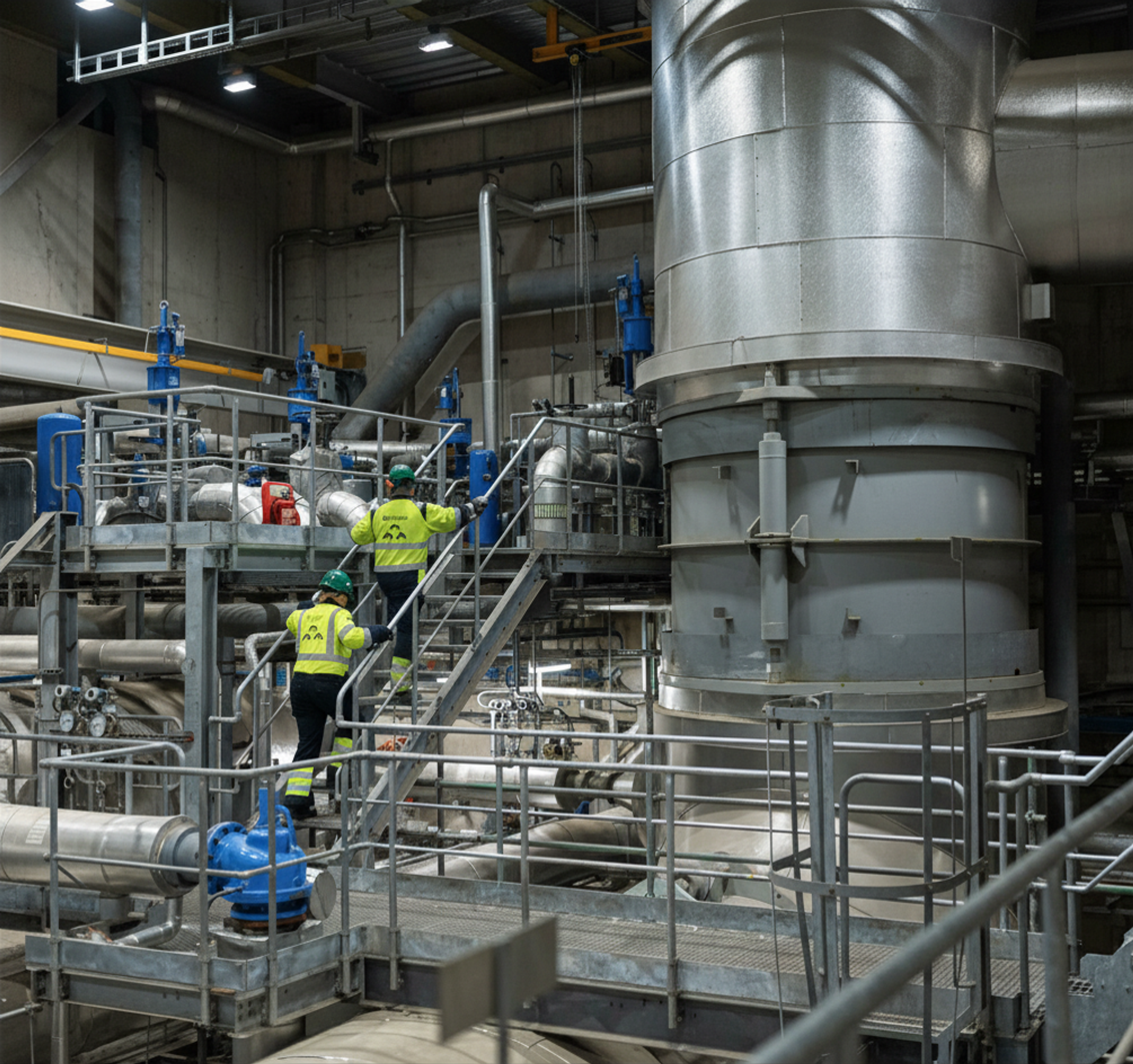
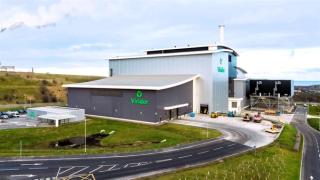
Waste and resource management companies consist of long-lived assets with high capital costs, including energy from waste (EfW) plants, transfer stations, and recycling centres. Prominent physical risks are likely to include flooding, extreme temperatures, and high winds; whilst transition risks could include policy positions on carbon pricing and national investment into carbon capture and storage infrastructure.
For Viridor, meeting the UK’s mandatory climate disclosure regulations and aligning with TCFD was only part of the task. The company wanted to move beyond compliance, gaining a detailed understanding of the material risks it faced, their potential financial impacts, and the steps that could strengthen resilience across the business. This included better understanding CapEx investment requirements for the coming years, taking into account changing climate.
Solution
Integrating climate science with financial planning
To achieve this, Viridor carried out a portfolio-wide climate risk and adaptation assessment, covering 23 sites across the UK and one facility in Denmark.
The work was framed around three questions:
- What climate hazards pose the greatest risks to our operations?
- How significant are the potential financial impacts?
- Which adaptation measures will strengthen resilience in a cost-effective way?
The methodology combined:
- Climate hazard screening – Using high-resolution climate modelling, Viridor assessed temperature, precipitation, wind, and flood risks across two time horizons: 2035 and 2065 relative to the baseline.
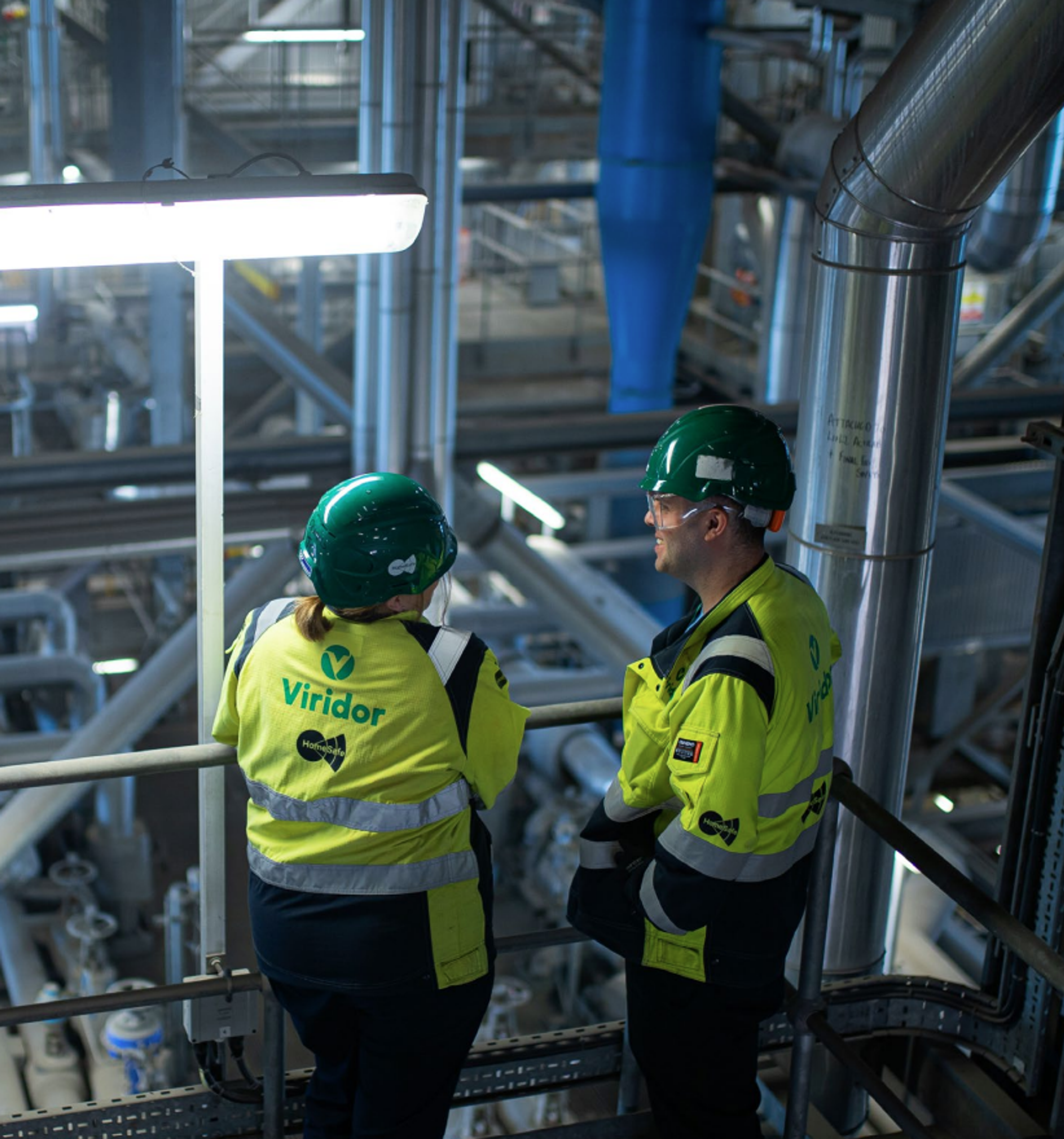
- Stakeholder engagement – 15 workshops and three site visits brought together operational managers, health and safety staff, engineers, and senior leadership. This bottom-up process ensured site-specific knowledge fed into the process and shaped the results.
- Materiality thresholds – A threshold of £75,000 per site per year, and £5 million across the portfolio, ensured attention was focused on genuinely material risks.
- Financial integration – Risks were modelled against Viridor’s in-house financial projections, linking climate scenarios directly to business performance.
- Governance alignment – Results were reported to Viridor’s Board-level ESG Committee and the company’s investors, embedding climate resilience into strategy and capital allocation.
This structured, bottom-up approach allowed Viridor to move beyond narrative reporting and produce an evidence-based and financially integrated assessment of climate risk.
The financial picture: clarity through quantification
Perhaps most importantly, the study quantified the potential financial implications of climate risk, supporting planning and prioritisation. Two key insights came through:
- Climate risks, while real, are manageable within Viridor’s existing capital planning cycles and many of the actions the company was taking already addressed risks identified as part of this work. Many adaptations can be integrated into routine maintenance or asset re life programmes scheduled for the late 2030s and early 2040s.
- The quantification gave investors and stakeholders confidence that Viridor had a credible, costed plan to address climate risk, rather than treating disclosure as a tick-box exercise.
By making the financial impacts explicit, Viridor was able to reinforce the business case for resilience and ensure climate considerations were part of long-term investment decisions.
The adaptation strategy: embedding resilience into the business
The assessment identified a range of potential adaptation measures. These included:
- Cooling system upgrades – Investments in air-cooled condensers and efficiency improvements to mitigate power output losses during heatwaves.
- Flood defence enhancements – Site-specific measures, including raised equipment and improved drainage at vulnerable transfer stations.
- Operational adjustments – Policies to ensure safe working practices during higher ambient temperatures and extreme weather events.
- Technology pathways – Evaluation of CCS and advanced decarbonisation technologies to manage transition risks and capture opportunities.
Crucially, Viridor has committed to repeating the assessment every five years, ensuring the approach remains dynamic and responsive to emerging climate science, regulation, and market conditions. This governance mechanism ensures climate resilience is not a one-off project but an ongoing component of strategy.
Impact
Looking ahead
As disclosure requirements continue to tighten under different disclosure frameworks - global (IFRS), UK (CFD and SRS) and European (CSRD, EU Taxonomy), companies that can demonstrate both transparency and resilience will be best placed to attract investment and secure stakeholder trust.
Viridor’s work shows how climate risk assessment can be more than a compliance exercise. It can be a catalyst for innovation, efficiency, and long-term value creation. By embedding climate resilience into governance and financial planning, businesses can turn an apparent regulatory burden into a strategic advantage.
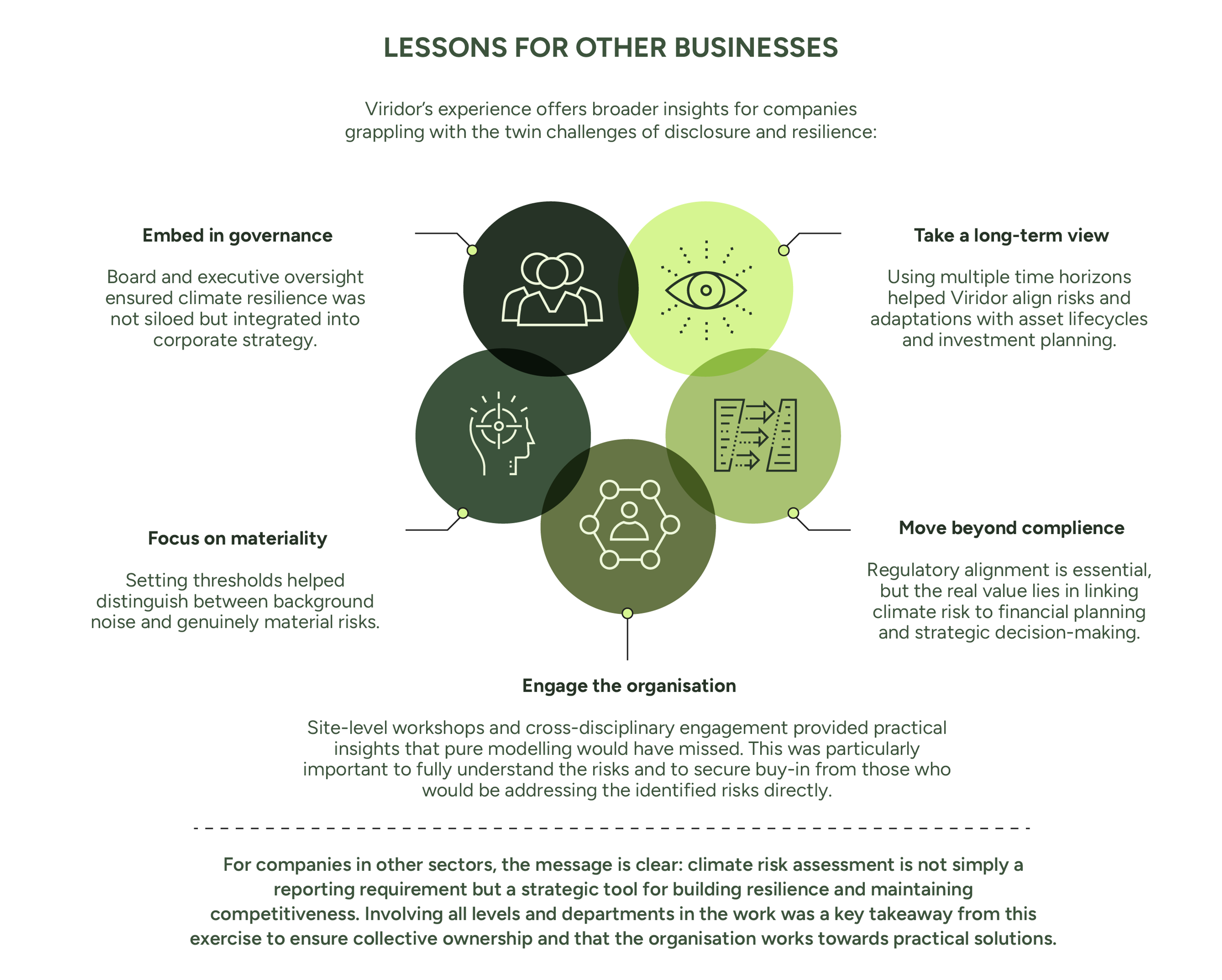
For business leaders considering how to approach climate risk, the key takeaway is to start with integration. Align climate scenarios with financial planning cycles and asset lifespans. Engage cross functional teams across different locations. Focus on what is material. And above all, treat resilience as a strategic opportunity, not just a disclosure obligation.
To explore how climate risk assessment and adaptation planning can be embedded into your strategy, our team would be happy to discuss practical approaches tailored to your business context. Just get in touch.