In Focus: Renewable Energy and Career Insights with Senior Electrical Engineer Kerrine Bryan
View post
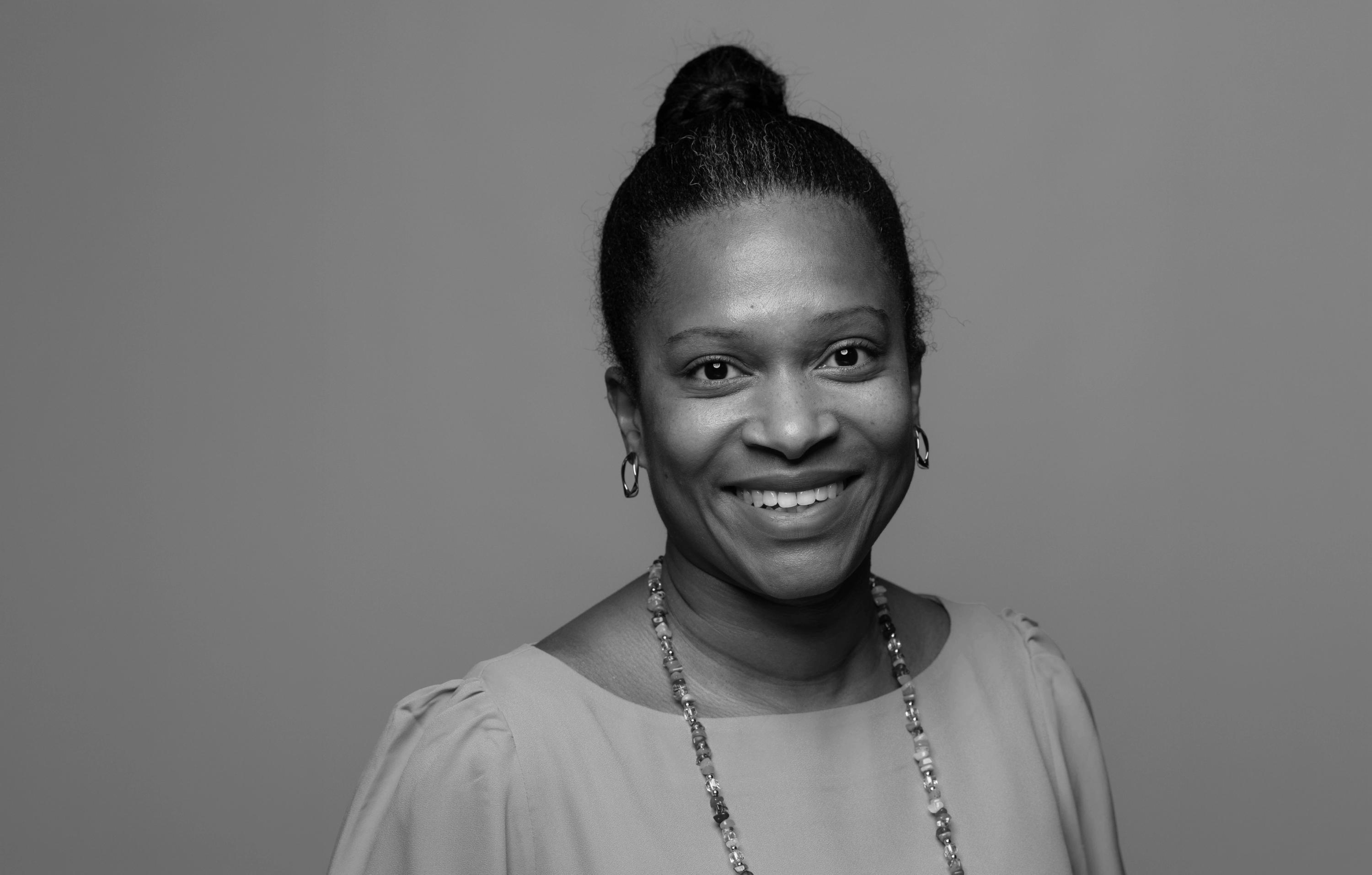
As part of our In Focus series, we sat down with Kerrine Bryan, who has recently joined SLR as a Senior Electrical Engineer, to explore her journey into the profession, her work to advance diversity in engineering, and how she found her way into renewable energy.
Responses have been edited and condensed for clarity.
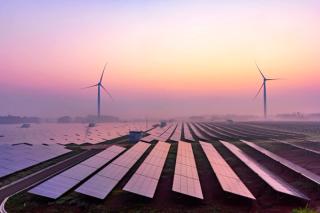
This is a tough one! Engineering is so broad. My area of expertise is electrical engineering (power), and I mainly enjoy the high voltage power systems side - focusing on connecting large-scale renewable energy sources like solar farms and battery storage sites to the electricity grid.
My role involves detailed design and calculations, such as sizing cables and equipment needed to move large amounts of electricity between systems. Then the most important thing, making sure that’s it’s safe, so there’s no harm to anyone working on the equipment or anyone that might come in contact with it.
In simple terms, I make sure power generated from these sources can safely and efficiently flow into the grid to be delivered to homes and businesses, while ensuring the system operates reliably and protects both people and equipment.
I didn’t always know I wanted to be an engineer—in fact, I originally planned to become an accountant. It wasn’t until a maths teacher introduced me to engineering that I realized it was a path I could pursue, and I’ve enjoyed the journey ever since.
I started my career in oil and gas, where I spent about 12 years working in electrical power systems design.
Later, after moving to the U.S. and becoming a mother, I made the decision to transition into the renewables sector. The parenting experience gets you thinking, “what can I do to help make the world a better place with the skills I have?” I wanted to use my skills to contribute to a cleaner, more sustainable future for the next generation.
Before joining SLR, I also spent time working as a renewable energy developer, which was a step away from engineering. I was in the field a lot speaking with landowners and managing permitting and engagement. There could be quite a bit of opposition—people are passionate, especially when it comes to potential development near their homes, which can understandably feel unsettling.
That experience made me a stronger person and gave me a better understanding of other people's views and perspectives. It also grew my general expertise and knowledge of the energy industry—everything from policy, finance, how energy projects come together, and the many factors that influence them.
A misconception, at least when I first started in the industry, was that engineering is always hands-on—like physically building or fixing things. People would make assumptions and ask me, “Can you come to my home and fix my air conditioner?”—that kind of thing.
But I think things are changing now. There’s a lot more information and kids are learning about engineering at school and on TV. People have a better understanding that it’s broad, and includes the areas I like, which is the technical calculations side of it.
While it’s hard to point to just one specific project, one of the most rewarding parts of my work is being able to see the end result of something you’ve spent years working on.
For example, earlier in my career I worked on a gas storage project in England that took several years to complete. Later, when flying out of Heathrow Airport, I could actually see the project from the air.
After investing all the sweat and tears, it was so nice to see the end result. Seeing that final, tangible outcome and know you played a role in bringing it to life.
I’d say it’s the variety and how things change every day. Every project is different, and each one comes with its own set of challenges which keeps things interesting.
My work directly supports the development of renewable energy. It feels like I’m doing something good for the planet, for my children, and for the future generations—helping reduce the impacts of climate change and lessen environmental impact.
One of the biggest challenges is the shortage of engineers entering the field, particularly women. A challenge with engineering and many male-dominated fields is that the problems we’re trying to solve impact everyone around the world, but the people who are doing the designing aren’t always as diverse. We need more problem-solvers who truly represent the communities we serve.
This is something I feel strongly about, which is why I’ve spent time volunteering in schools and speaking to students about careers in engineering. I actually wrote my first book, My Mummy is an Engineer, over ten years ago to make these careers visible to children and show them that engineering is a path they can belong in. At first, I was speaking at schools with a PowerPoint presentation, but it wasn’t working. I thought it’d be nice to have a children’s book. I did it myself with my brother and a friend as the illustrator. Once we wrote that one, I was contacted by different organizations asking if I could collaborate with them on other books. I worked with a lot of major organizations in the UK, like the National Health Service, the British Army and London Fire Brigade. Now there are 10 books, basically working with different industries on encouraging children to introduce kids to a variety of professions. The latest book is about renewable energy development!
Be open to exploring different paths, as there are so many different areas of engineering. My work as an engineer, author, and developer has strengthened my problem‑solving, creativity, and communication in different ways. All those experiences combined have made me a better engineer. So, follow your interests, even if they lead in unexpected directions; every skill you pick up can add real value to your career.
I would also say that the value of your network is really important. I realize that a lot of my career journey has opened up through networks I had. Whether that was from volunteering in university or serving on committees. I understand it can be daunting when you just start out in your career, but it’s worth it.
I’m especially excited to get involved in SLR’s renewable energy and grid connection work because the team has such strong technical depth and, just as importantly, a culture of openly sharing that expertise. It’s rare to find a group that not only excels technically but also invests in helping everyone around them grow. That collaborative mindset is a big part of what sets SLR apart.
As the first US hire on the Power Engineering team, I’m looking forward to using SLR’s global networks to build our presence in the US and showcase the capabilities we already have across the business. I’m also excited to reconnect with industry peers I’ve worked with over the years, many of whom are now in roles where our paths naturally cross and strengthen those relationships in a way that supports SLR’s growth in the region.

by Sarah Gillett
by Dr. Natalie Toon, Dave Hall, Megan Benham, Luke Bertini