Dutch Elm Disease Management Plan
- Client Name
- Auckland Council – Parks & Community Facilities
- Location
- Auckland, New Zealand
Challenge
Dutch Elm Disease (DED) is caused by a fungal pathogen (Ophiostoma novo-ulmi) that limits elm trees’ ability to transport water and nutrients. The disease causes leaf wilting, branch dieback, and ultimately the tree's death. DED is primarily spread by Elm Bark Beetles, but also by people through the movement of contaminated firewood or tools / machinery.
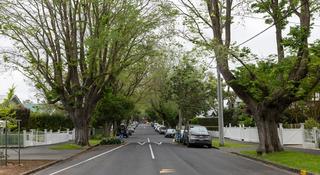
As there are an estimated 25,000 to 30,000 elms throughout the Auckland region, they contribute significantly to the urban and rural ngahere. Elms are valued for their role in carbon sequestration, their local environmental benefits within urban spaces, and for their height and leafy canopy, which make them an attractive addition to the many parks, roads, and private properties they occupy.
But once a tree is infected, the disease cannot be stopped, and there is currently no cure for DED. The high mortality rate of infected trees and the speed at which it can kill makes DED one of the worst tree diseases in New Zealand, and it has decimated elm populations overseas.
A well-organised and proactive response is required to limit the spread of DED throughout Auckland and into the neighbouring Waikato.An inter-regional effort is required, but has been made more difficult by the unavailability of Ministry of Agriculture and Forestry (MAF) funding.
Solution
Auckland Council’s Parks & Community Facilities department is responsible for the management of DED in the region and asked SLR to help draft a management plan detailing the response effort to control the disease, in collaboration with their biosecurity partners at SPS Biota.
Following interviews with key managers and stakeholders, we drafted a DED Management Plan that sets out Council’s methodologies, best practice procedures and protocols in the fight against DED, including:
- Identification of DED.
- Dealing with infected trees.
- Communication with private tree owners.
- Vaccination of elm trees with DutchTrigTM.
- Collection of data.
- The seasonal scheduling of tasks.
The plan (and more accessible summary documents for a wider general audience) provides ‘how to’ guidance for Auckland Council staff and arboricultural contractors, as well as a reference point that other councils’ tree managers and the general public will find very useful.
Impact
Through this work, we’re protecting the significant contribution that elm trees make to the urban ngahere, and efforts to mitigate the spread of disease both within Auckland and into neighbouring regions.
“I confidently give SLR a 10 out of 10. Their expertise, reliability, and high standards have consistently made projects run smoothly.”
David Stejskal, Auckland Council