
Confined aquifer oxygen biosparging system
- Client Name
- Confidential Retail Gasoline Provider
- Location
- British Columbia, Canada
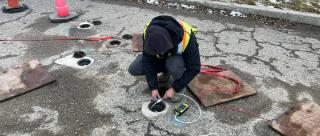
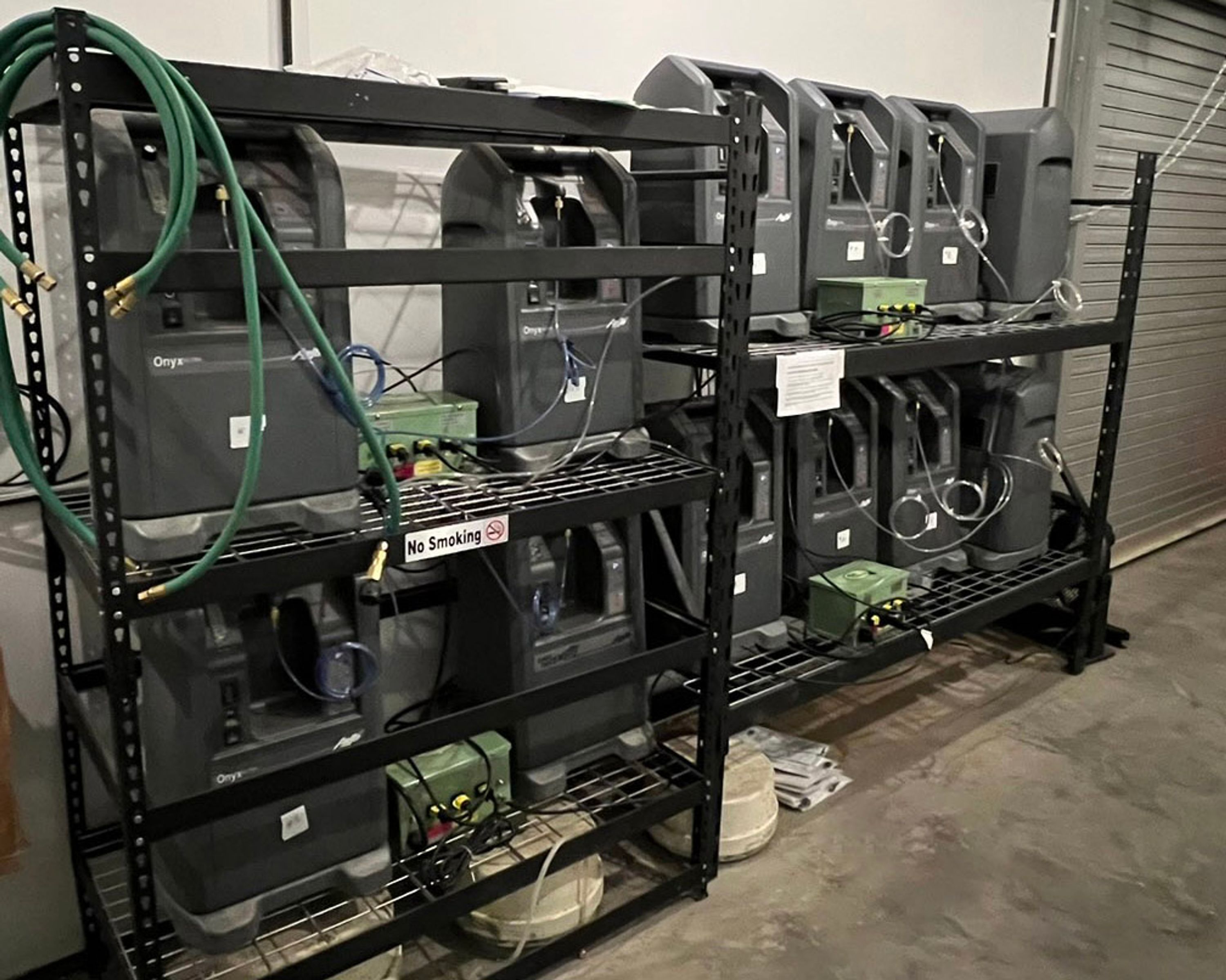
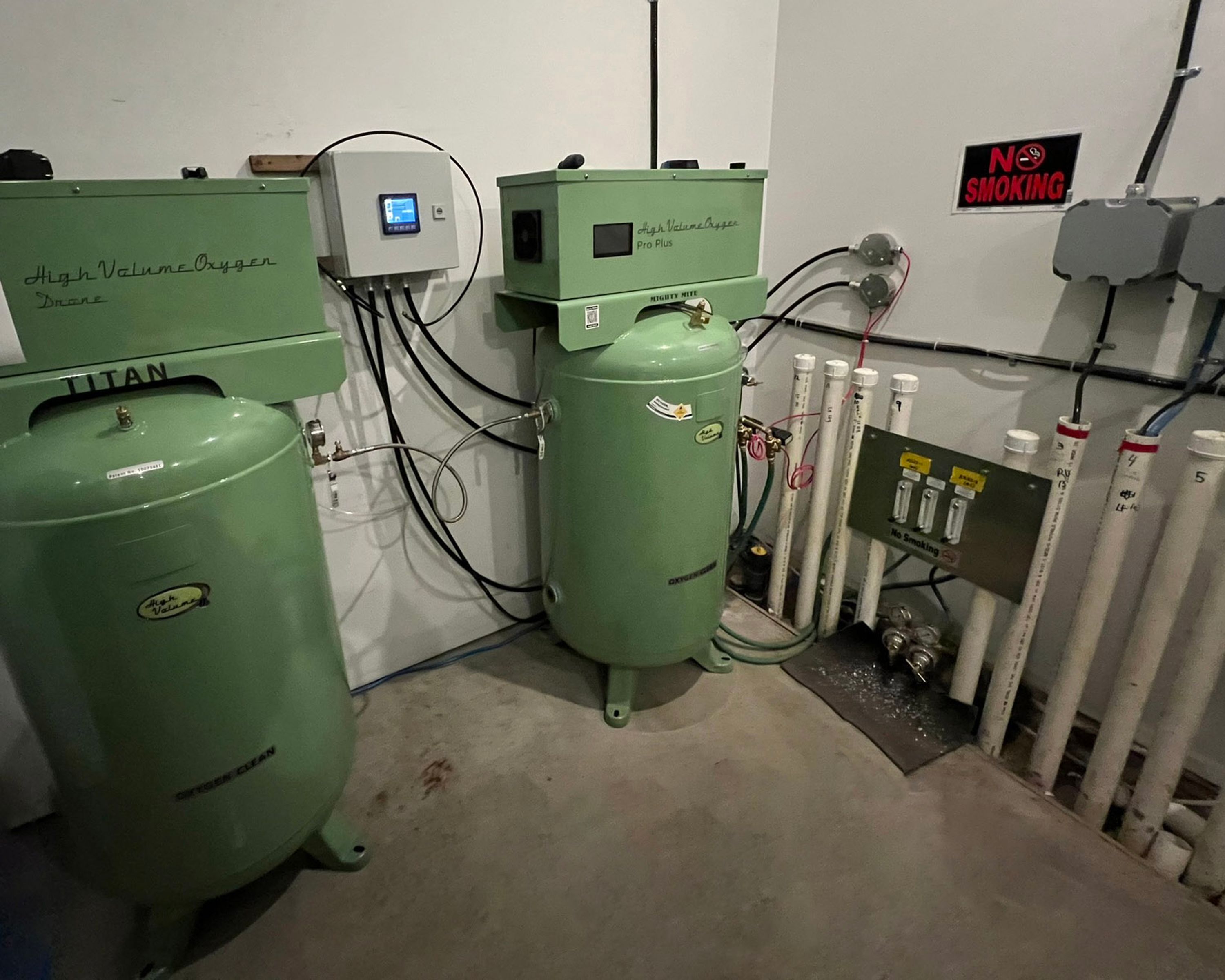
SLR conducted a multi-phase feasibility and performance evaluation of a novel oxygen biosparging system to remediate petroleum hydrocarbon contamination in a confined drinking water aquifer at a former service station site. This system augments an existing groundwater containment system and in-situ confining layer soil remediation system.
Challenge
The client faced persistent groundwater contamination from petroleum hydrocarbons (PHCs) in a confined aquifer, complicated by suspected “leakage” of free product located in an overlying silty-clay aquitard. Traditional remediation methods were insufficient due to the site’s unique hydrogeological constraints. The client required a solution that could effectively reduce contaminant mass while minimizing risks of gas migration and ensuring long-term sustainability. The goal was to evaluate the feasibility of full-scale deployment of oxygen biosparging technology.
Solutions
SLR was selected for its expertise in subsurface remediation, feasibility-level engineering studies, and our “One Team” approach of using the best staff available, regardless of location, including staff in 6 different offices in two countries.
SLR’s FEL1-level evaluation included system design, operational testing, data analysis, and recommendations for full-scale implementation.
Impact
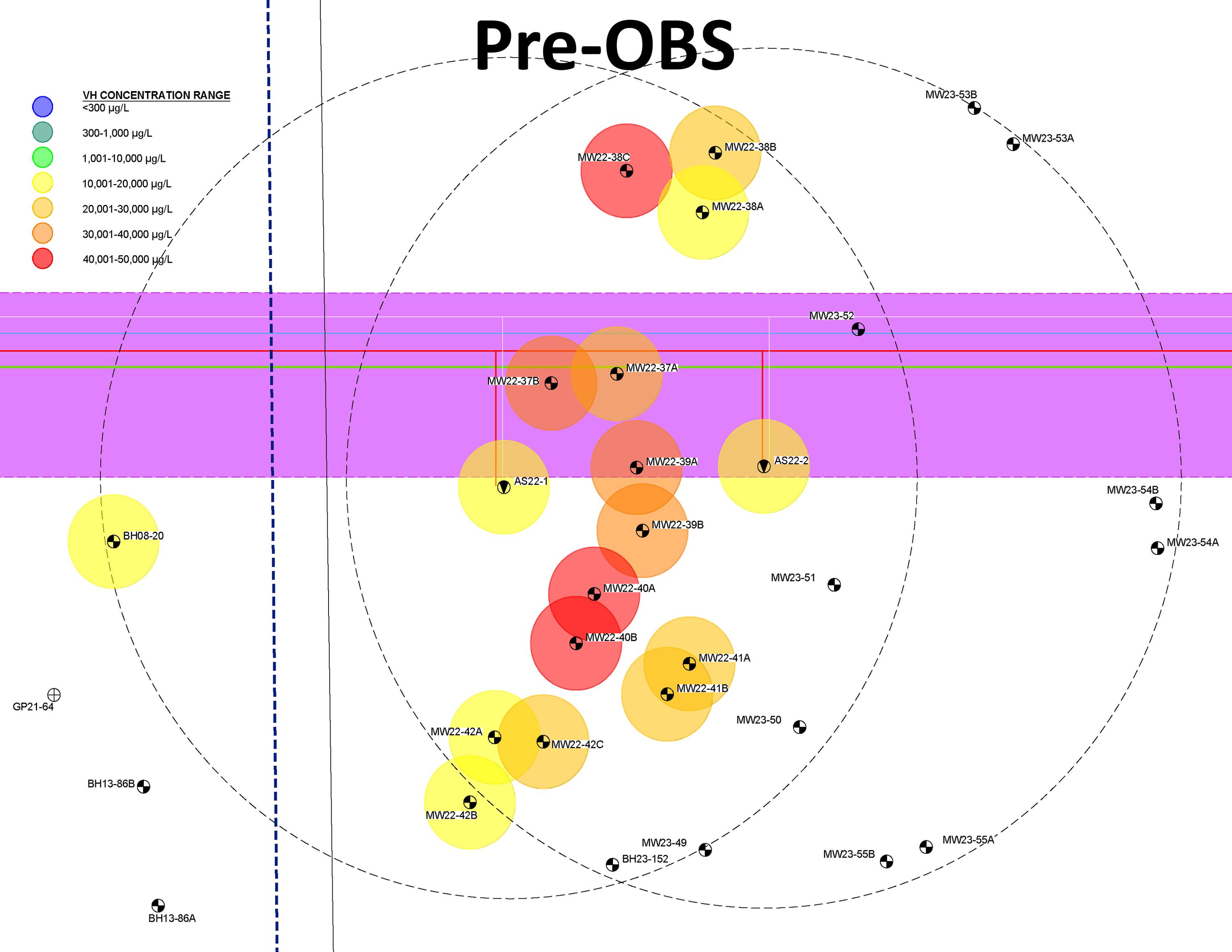
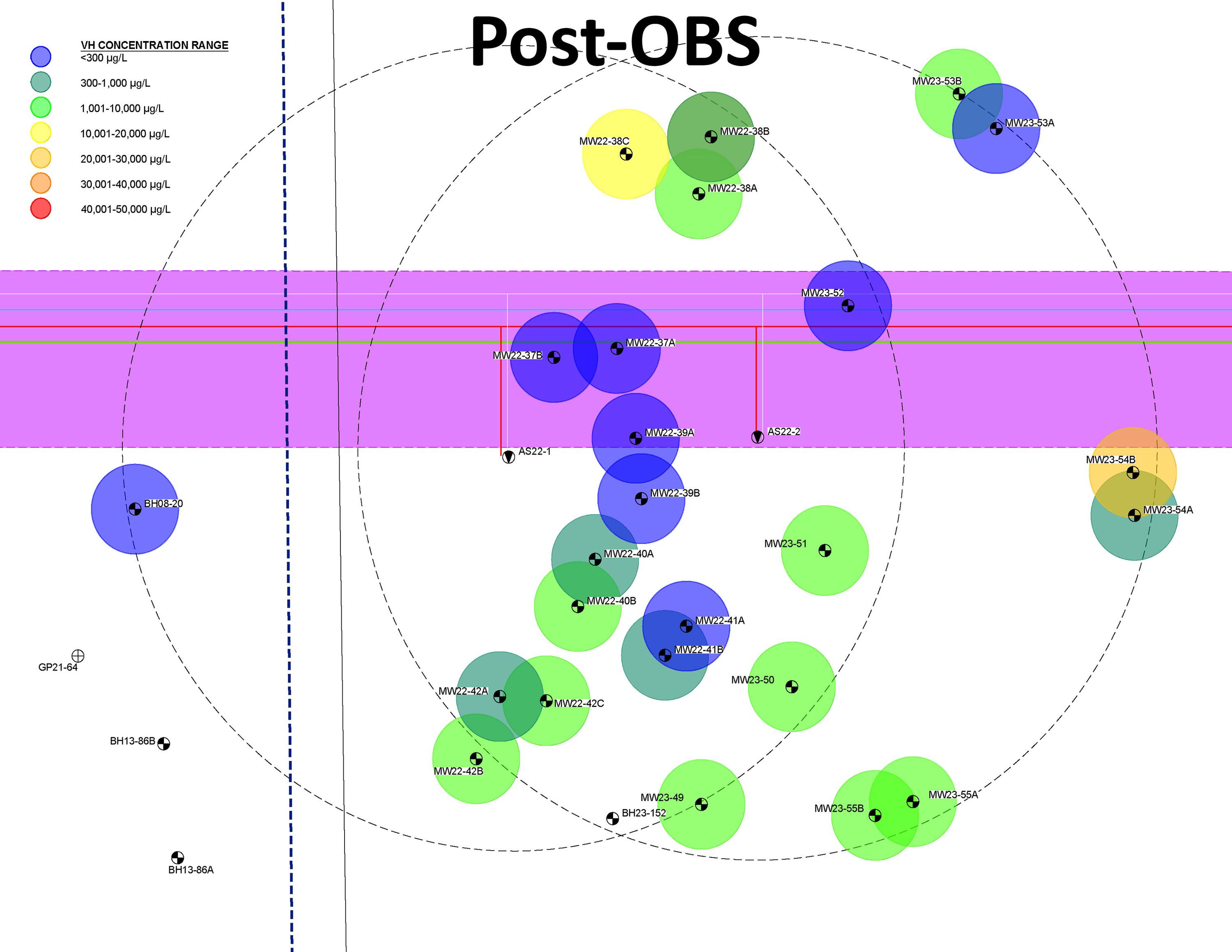
The OBS system injected over 716,000 cubic feet of oxygen, resulting in the degradation of an estimated 5,600 pounds of petroleum hydrocarbons. Key outcomes included:
- >99% reduction in VH concentrations in several wells.
- Stable argon levels, confirming safe operation without gas migration risks.
- Improved understanding of aquitard-aquifer connections, guiding future remediation design.
This project demonstrated the viability of oxygen biosparging as a scalable, effective groundwater remediation technology for complex confined aquifer systems.
“The data gathered to date demonstrate that the OBS is continuing to be effective in introducing oxygen into the subsurface and promoting significant degradation of volatile hydrocarbons in the sparge area.”
SLR Consulting Canada Ltd.