Formulating a Site Plan to Support the Ecology and Management Needs of the Bluff Point Properties, in Groton CT
Read more
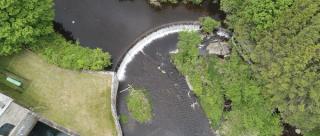
SLR conducted an initial feasibility study and provided hydraulic modeling for the removal of the Quinapoxet Dam in West Boylston, Massachusetts. The project included the removal of the dam, located adjacent to the outlet of the Quabbin Aqueduct, as well as the restoration of the Quinapoxet River in-stream habitat.
SLR was retained by the Massachusetts Division of Ecological Restoration (MA DER) to conduct an initial feasibility study and provide hydraulic modeling for the removal of the Quinapoxet Dam.
The earthen embankment dam, which was 250 feet long, 18 feet high, with a concrete and stone spillway spanning the river, was constructed in 1905 to support the creation of the Wachusett Reservoir. The semicircular dam was part of a complex system of reservoirs and aqueducts built to supply the Greater Boston area with potable water. Rather than impoundment of the river, the original purpose of the dam was to slow the current and reduce erosion of the riverbed upstream, helping to protect the reservoir’s water quality.
The Quinapoxet dam had outlived its usefulness due to the age of the dam infrastructure and significant upgrades in water monitoring and treatment systems. Thus, the project scope included the removal of the Dam, located adjacent to the outlet of the Quabbin Aqueduct, as well as the restoration of the Quinapoxet River in-stream habitat. The dam removal required careful engineering, environmental, and regulatory planning to manage river flow, sediment, construction sequencing, habitat restoration, fish passage, permitting, and archeological survey. SLR also had to accommodate the relocation of a healthy population of eastern freshwater pearl mussels, an important part of regional conservation efforts.
The dam removal project has been designed to enhance fish access to upstream habitats, particularly for Brook Trout and landlocked Salmon. The project will also maintain public river access, maintain flood control, protect water quality, ensure climate change resiliency, and eliminate maintenance costs associated with the dam.
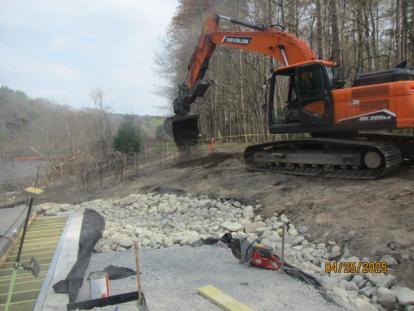
The Quinapoxet Dam Removal Project has incorporated several innovative design elements to ensure a successful and environmentally friendly and functional outcome, including:
Drinking Water Reservoir – The original dam was constructed in 1905 to support Boston’s drinking water reservoir, the Wachusett Reservoir. It is located 1,600 feet upstream of the Wachusett, which, along with the Quabbin Reservoir, provides drinking water to the City of Boston. Construction had to be conducted carefully with tight controls on turbidity and siltation releases so as not to affect the water supply operations.
Hydropower House and Separation Berm - Immediately downstream of the dam was the Quabbin Interconnect Tunnel and Oakdale Hydropower station. Hydropower operations would be impacted by dam removal unless a separation berm was designed and constructed downstream of the former dam.
Accretion Dam – Most dams are constructed on top of the native channel substrate and built upward from the channel in order to impound flow. This dam was dug down into the channel bed and constructed downward, with the area downstream of the dam being excavated out to increase the available storage in the drinking water reservoir. This meant that removal of the dam would require excavation of native streambed upstream of the dam.
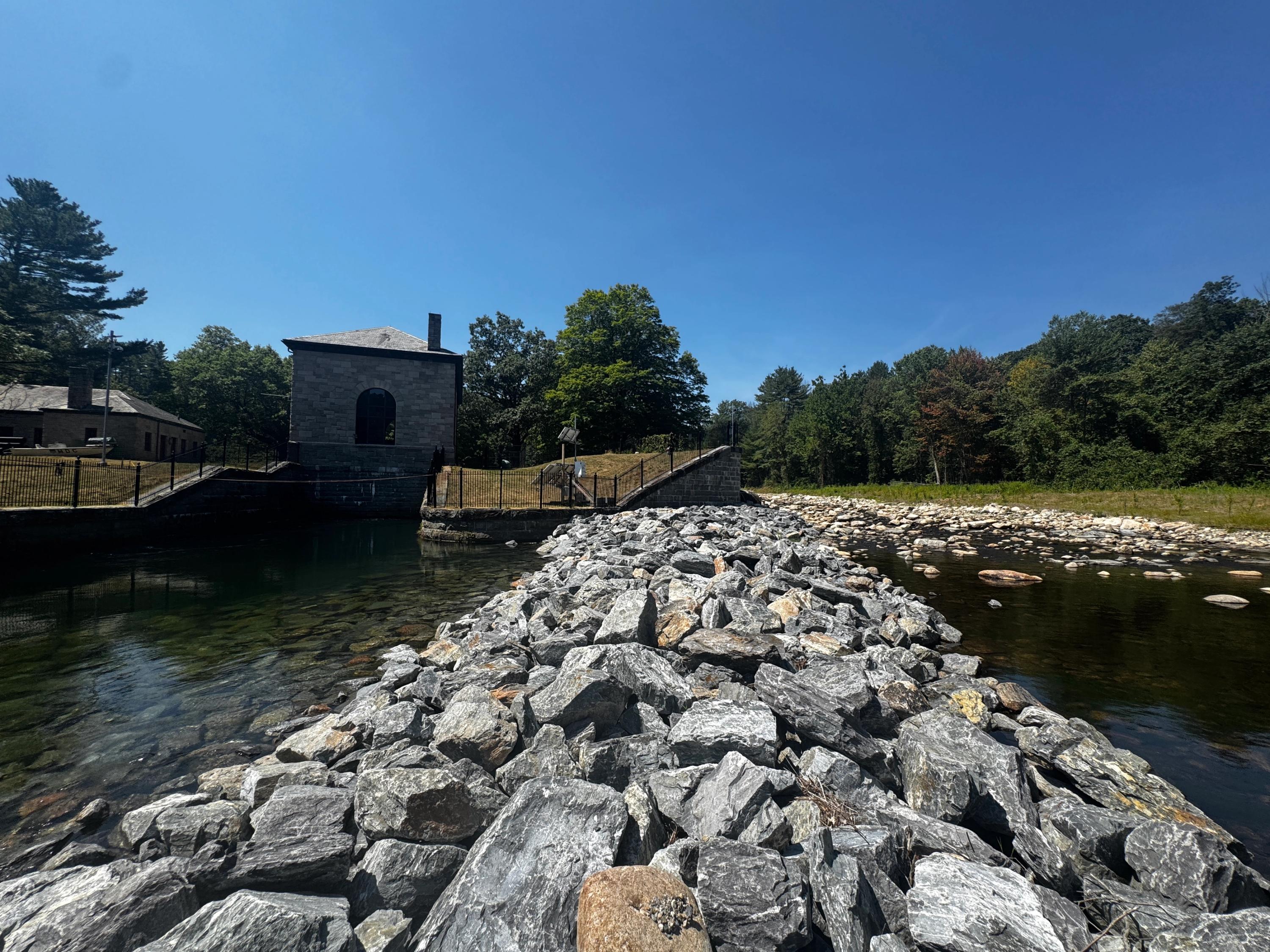
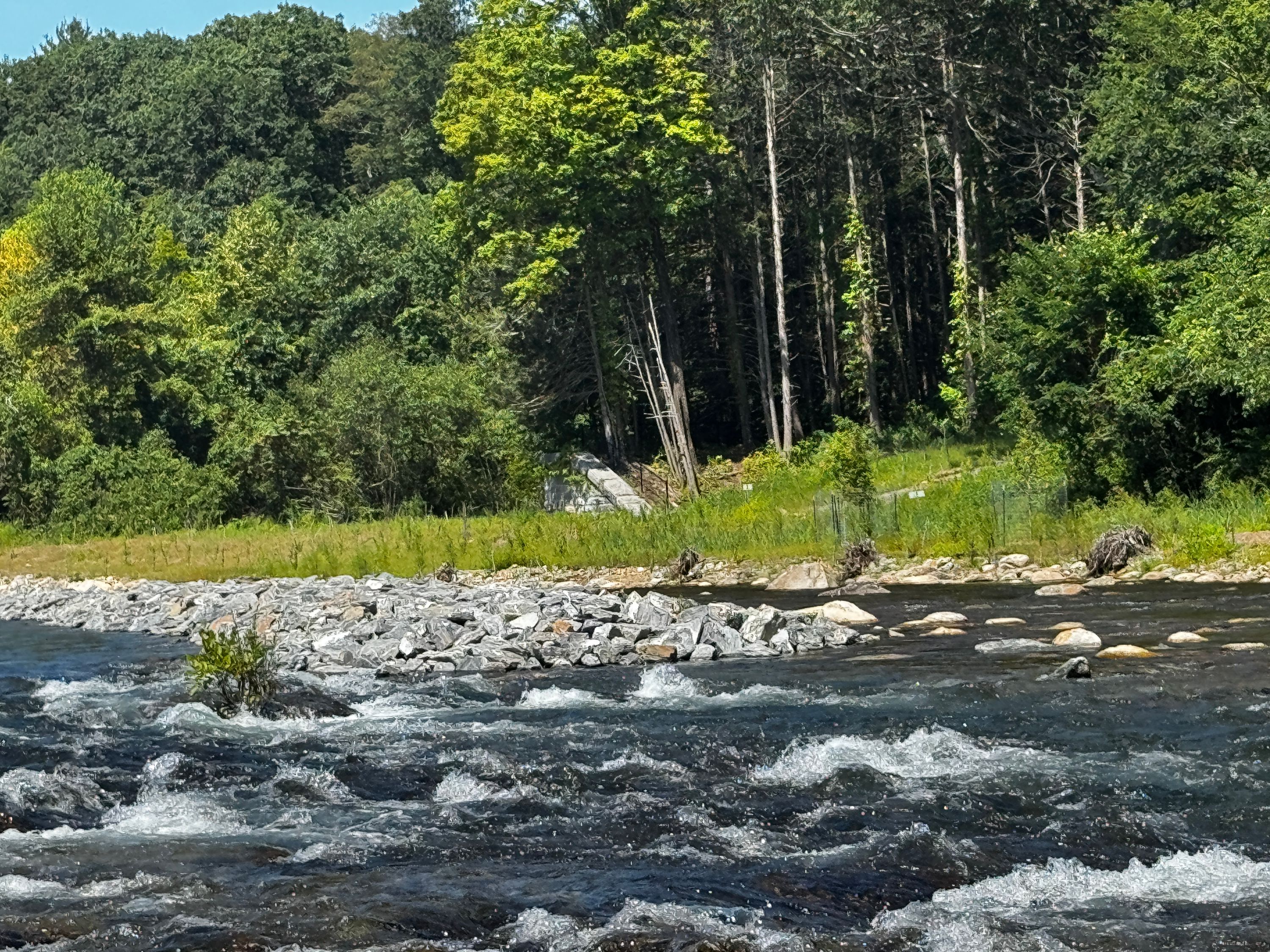
Fish Deterrent – To dissuade fish from being attracted to the cold, oxygenated water exiting the hydropower discharge, two fish deterrents were installed. Structural walls would not be allowed because they would reduce the head on the hydropower and reduce power output, therefore rock structures which intentionally create high velocity jets to create a velocity barrier to fish passage were designed, modeled, and installed.
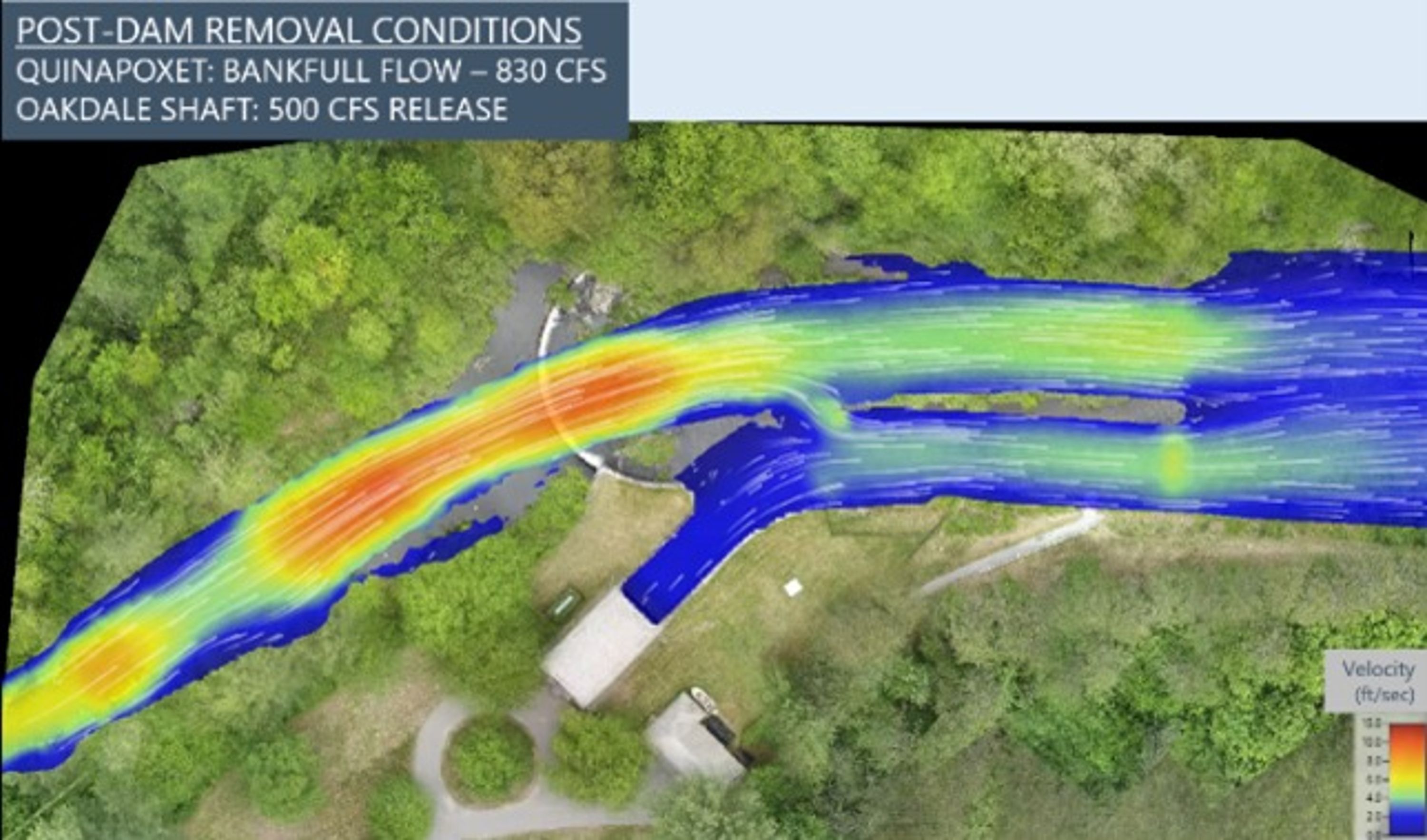
Advanced 2d Hydraulic Modeling – Two-dimensional hydrodynamic modeling was used to evaluate the interaction between various flood flows in the Quinapoxet River, various outflows from the hydropower station, and various water levels in the reservoir to ensure the river would remain stable, hydropower would remain unaffected, and fish passage would be allowed in the restored channel.
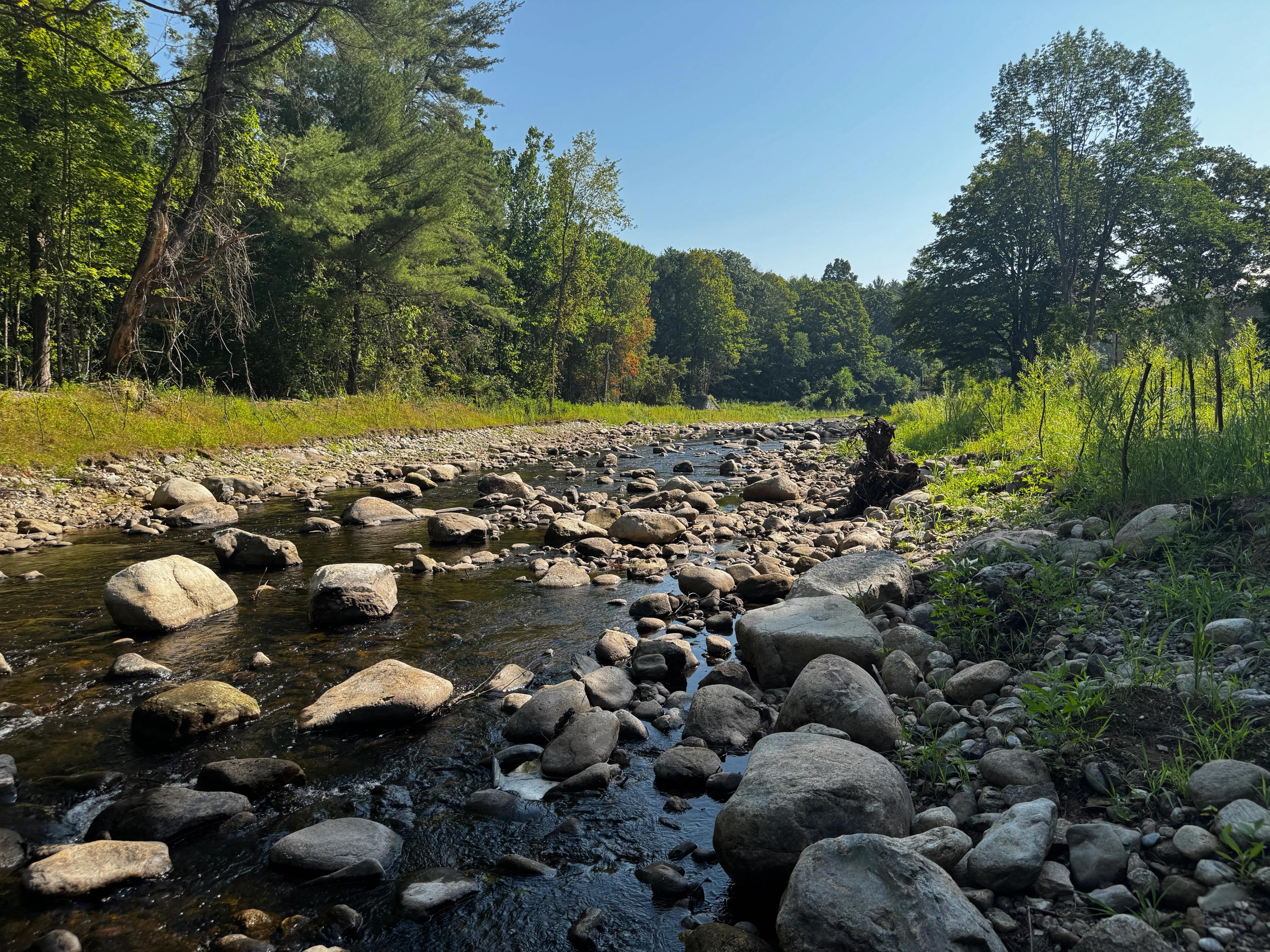
Bioengineered Banks and Natural Channel Design – The constructed channel was built to emulate natural conditions with riffles, pools, and natural channel roughness throughout. The banks and floodplains were heavily vegetated with native species of herbaceous and woody vegetation to match upstream channel reaches. A kayak launch was also installed at the upstream end of the project for recreational use of the steeper section of channel.
ADA Fishing Platform – Design included installation of an accessible fishing and observation platform at the end of the project.
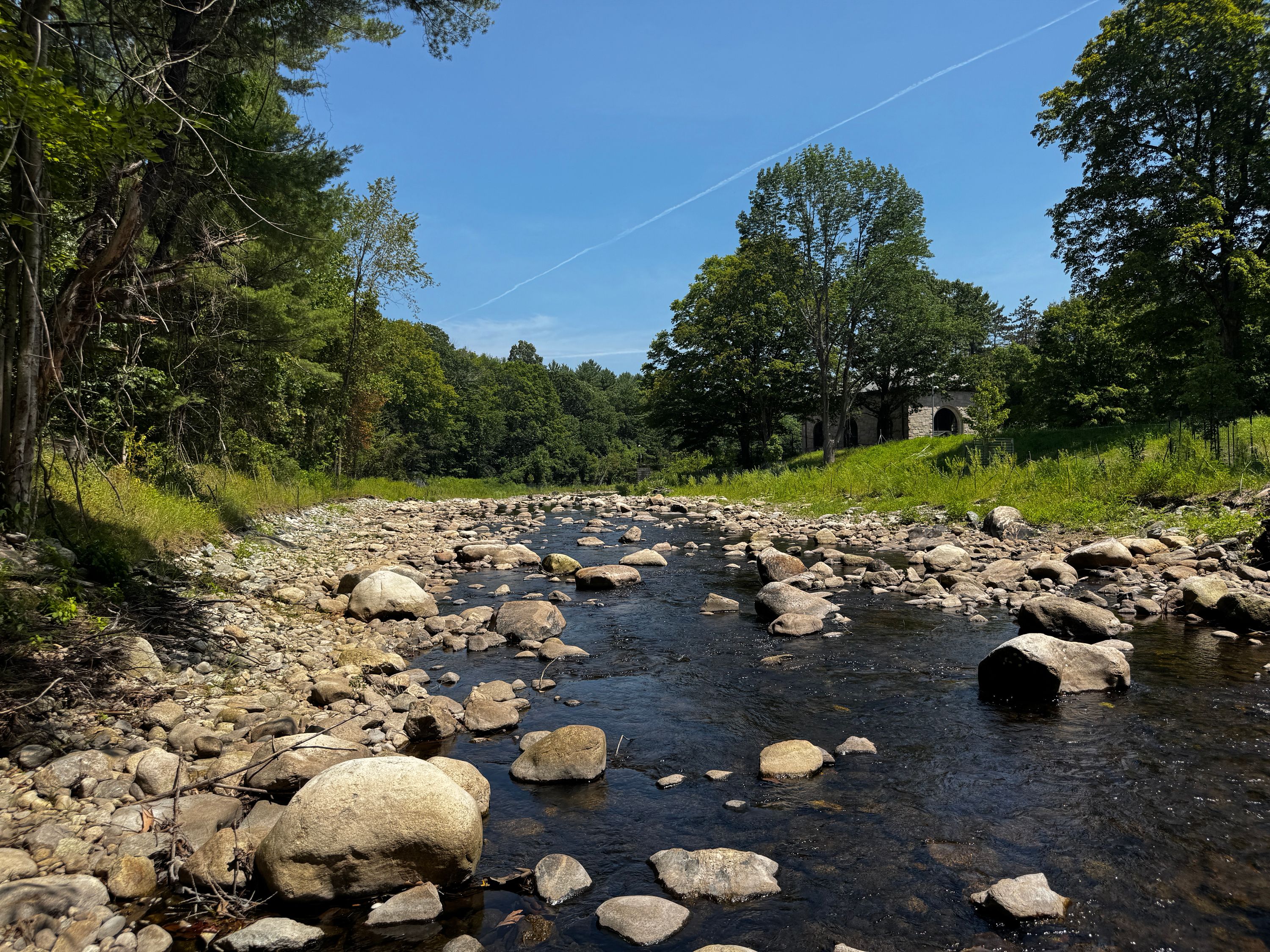
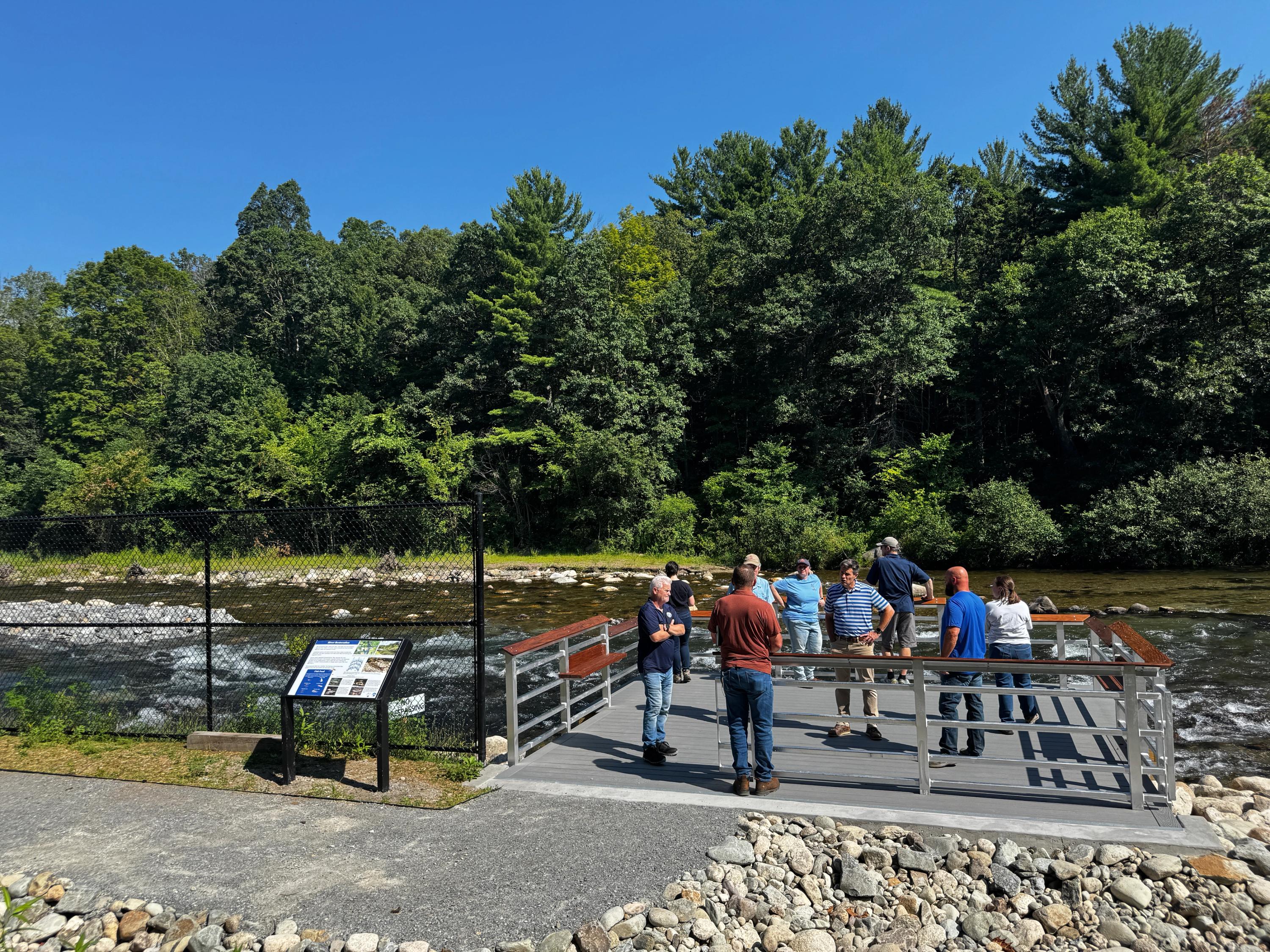
The removal of the dam was a significant step toward restoring the ecological balance of the Quinapoxet River and enhancing recreational opportunities for the local community. In addition to the interest at the local level, there was substantial interest and involvement with state and federal environmental agencies, professional society and organization presentations on the project, and commendable volunteer efforts.
There was a high level of support from the client to use all public presentations and events as an opportunity to educate the public, professional societies, public and private environmental groups, and volunteers on the engineering aspects of the project, and laying out the process and intent of the various components of this complicated project.
On January 31, 2025, the Quinapoxet River flowed freely from its headwaters to Wachusett Reservoir for the first time in 120 years. As of October 2025, the riverine system and floodplain restoration are performing as designed.
John J. Gregoire, Massachusetts Water Resources Authority